
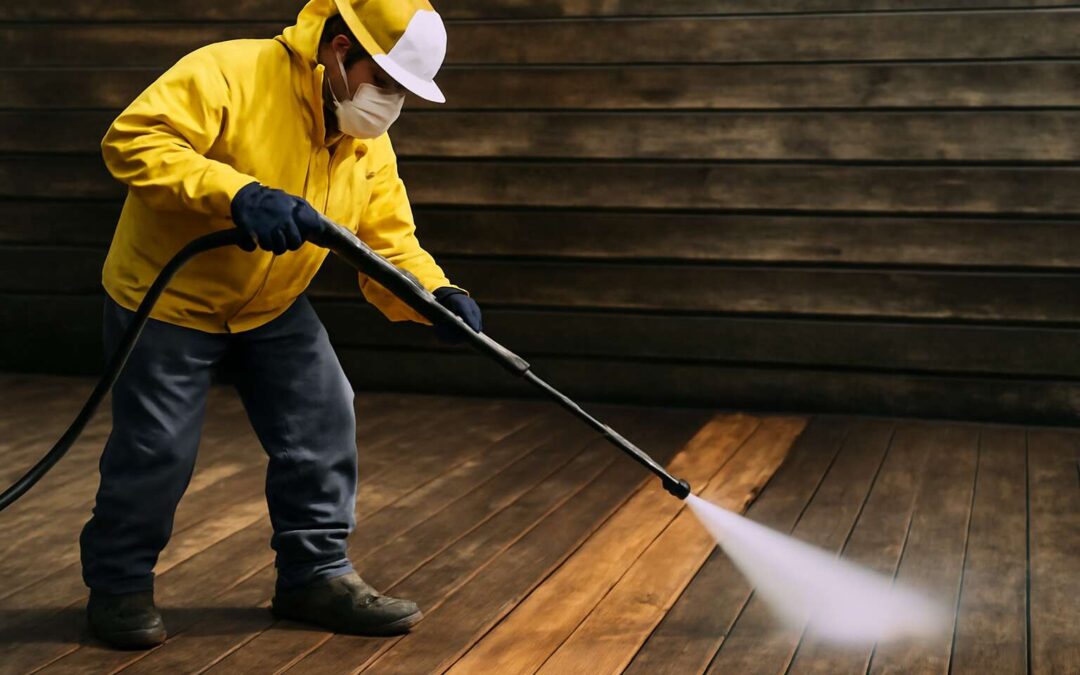
Understanding Pressure Washing with Bleach
What is Pressure Washing?
Pressure washing with bleach is an artful blend of strength and subtlety, harnessing the power of high-pressure jets to restore surfaces while infusing them with a potent cleansing agent. At its core, pressure washing involves propelling water at intense speeds to dislodge grime, algae, and stubborn stains, revealing the true beauty beneath. When combined with bleach, this method becomes a formidable tool against organic growth and deeply embedded dirt, especially on surfaces like concrete, brick, and siding.
The magic lies in understanding the precise application—too much pressure or bleach can damage delicate materials, yet used judiciously, it transforms neglected exteriors into vibrant displays of resilience. The process involves careful preparation, ensuring the bleach penetrates deep into porous surfaces, killing mold and bacteria at their root. For those seeking a pristine, long-lasting clean, pressure washing with bleach offers an effective solution that balances raw power with meticulous care.
The Role of Bleach in Power Cleaning
When it comes to restoring surfaces to their former glory, understanding the role of bleach in pressure washing with bleach is essential. Bleach acts as a potent alchemist’s potion, transforming stubborn organic growth into mere memories. Its efficacy in combating mold, algae, and persistent stains makes it a coveted ingredient in the world of power cleaning. The magic unfolds as the high-pressure jets propel the bleach deep into porous materials, ensuring a thorough cleanse that reaches the very roots of grime.
In the realm of pressure washing with bleach, precision is paramount. Too much bleach or excessive pressure can mar delicate surfaces, but when wielded with care, this method reveals surfaces shimmering with renewed vitality. It’s a delicate dance—balancing strength and subtlety—that results in surfaces that are not only clean but resilient. This harmonious blend of force and finesse turns neglected exteriors into vibrant showcases of nature’s resilience.
Types of Surfaces Suitable for Bleach Pressure Washing
Pressure washing with bleach is a transformative technique that delicately balances power and precision. When selecting surfaces for this method, it’s essential to consider their material composition and porosity. Surfaces such as concrete driveways, brick walls, and wooden decks often respond beautifully to this deep-cleaning approach, revealing their original luster beneath layers of grime and biological growth.
However, not all surfaces are suitable for pressure washing with bleach. Fragile materials like vinyl siding, painted wood, and delicate stone may suffer damage if exposed to excessive pressure or harsh chemicals. Understanding these nuances ensures a thorough yet safe cleaning process. For instance, porous surfaces can absorb the bleach, allowing it to eradicate mold and algae at their core, but sensitive materials require gentler methods to preserve their integrity.
In the landscape of power cleaning, recognizing which surfaces thrive under the influence of bleach can mean the difference between a revitalized façade and unwelcome damage. This discerning approach exemplifies the craftsmanship behind effective pressure washing with bleach, transforming neglected exteriors into resilient showcases of natural beauty.
Benefits of Using Bleach in Pressure Washing
Effective Mold and Mildew Removal
When it comes to battling stubborn mold and mildew, pressure washing with bleach transforms even the most neglected surfaces into sparkling showcases of cleanliness. The power of bleach, when combined with the force of pressure washing, unlocks a formidable cleaning duo capable of eradicating unsightly stains and harmful spores lurking on exterior walls, decks, and roofing. This method doesn’t just clean—it revitalizes, restoring the vibrant beauty of your property with precision and ease.
Many homeowners and professionals in South Africa have discovered that pressure washing with bleach offers an unmatched advantage: deep sanitation. Not only does it remove visible grime, but it also penetrates porous materials to destroy mold spores at their core, preventing future growth. This process is particularly crucial in humid coastal regions where mold thrives. To maximize effectiveness, consider these benefits:
- Enhanced mold and mildew removal, ensuring a healthier environment
- Long-lasting cleanliness that resists regrowth
- Restoration of original surface colors and textures
Harnessing the potent blend of pressure washing with bleach elevates your cleaning routine from mundane maintenance to a transformative experience—one that reveals the true splendor of your property’s surfaces with a touch of magic!
Chemical Power for Stubborn Stains
Pressure washing with bleach unlocks a powerful avenue for tackling stubborn stains that seem impossible to remove with conventional cleaning methods. The chemical power of bleach penetrates deep into porous surfaces, breaking down ingrained dirt, mold, and algae that mar the beauty of your property. This isn’t just surface cleaning—it’s a transformative process that restores vibrancy and freshness, making surfaces look almost new again.
One of the greatest benefits of using bleach in pressure washing is its ability to provide long-lasting results. Unlike mild cleaners that wash away quickly, bleach’s potent formula ensures that contaminants are eradicated at their source, preventing rapid regrowth. Whether dealing with moss on roof tiles or grime on outdoor walls, pressure washing with bleach delivers a thorough clean that leaves surfaces both pristine and sanitized.
For those seeking a more effective approach, consider the following advantages:
- Deep sanitation that reaches into porous materials, killing mold spores at their core
- Enhanced removal of tough stains and discoloration
- Restoration of original surface textures and colors, boosting curb appeal
In regions prone to high humidity, like many parts of South Africa, the benefits of pressure washing with bleach become even more apparent. It’s not just about cleanliness—it’s about safeguarding your home’s health and beauty, ensuring your living space remains a haven of freshness and vitality.
Cost-Effective Cleaning Solution
When it comes to maintaining your property’s pristine condition without draining your wallet, pressure washing with bleach stands out as a cost-effective champion. Unlike traditional cleaning methods that require endless scrubbing and elbow grease, the chemical power of bleach provides a deep clean in a fraction of the time. It’s like giving your surfaces a much-needed detox—without the hefty price tag.
What makes pressure washing with bleach particularly appealing is its ability to tackle stubborn stains and ingrained grime at their source. It’s not just about surface shine—this method offers long-lasting results that save you money in the long run. Plus, it reduces the need for repeat visits from professional cleaners, making it a smart investment for homeowners and business owners alike.
For those who value efficiency and value, here’s a quick rundown of why pressure washing with bleach hits the sweet spot:
- It eradicates mold, algae, and dirt deep within porous surfaces, preventing future buildup.
- It restores vibrant colors and textures, boosting your property’s curb appeal.
- It extends the lifespan of exterior surfaces, saving you costly repairs down the line.
All in all, pressure washing with bleach is a savvy choice for those seeking a powerful, budget-friendly cleaning solution—especially in regions with high humidity like South Africa, where grime and mold seem to thrive. It’s a cleaning method that pays for itself in both appearance and longevity, proving that sometimes, a little chemical magic goes a long way.
Preparing for Pressure Washing with Bleach
Safety Precautions and Personal Protective Equipment
Before diving into the sparkling glory of pressure washing with bleach, it’s crucial to arm yourself with a safety plan that would make even the most hardened soldier proud. A single splash of bleach on your skin or in your eyes can turn your day from pristine to problematic faster than you can say “fumes.” Trust me, a little preparation goes a long way in avoiding a trip to the emergency room. Proper safety precautions are not just a good idea—they’re an absolute necessity. Think of it as giving your future self a high-five for being smart today.
Personal protective equipment (PPE) is your best friend when tackling this high-stakes cleaning mission. Protective gloves—preferably chemical-resistant—are non-negotiable. Pair those with goggles or a full-face shield to shield your eyes from splashes and airborne droplets. A long-sleeved shirt and durable trousers provide a much-needed barrier against accidental overspray. For added safety, a respirator mask is recommended to avoid inhaling any noxious fumes, especially when working in poorly ventilated areas.
To keep everything running smoothly and safely, consider this simple checklist before you start pressure washing with bleach:
- Ensure good ventilation in your work area
- Keep a source of clean water nearby for spills or rinsing
- Store bleach away from children and pets to prevent accidents
- Test a small, inconspicuous area first to check for surface reactions
By taking these precautions, you’re not just protecting yourself—you’re guaranteeing that your pressure washing with bleach session is as effective and safe as possible. After all, a clean surface is great, but a healthy one is priceless!
Surface Preparation Tips
Before you unleash the mighty force of pressure washing with bleach, surface preparation is your secret weapon. Think of it as laying the groundwork for a stunning transformation — skip this step, and even the best bleach solution might fall flat. First, clear the area of any loose debris, leaves, or objects that could turn into projectiles when blasted by high-pressure water. A tidy surface not only prevents damage but also ensures an even clean.
Next, inspect the surface for any cracks or damaged spots that could worsen during pressure washing with bleach. Repairing these beforehand saves you headaches later. If dealing with delicate surfaces like painted wood or stucco, a gentle pre-soak with plain water can help loosen grime without risking surface stripping.
For optimal results, consider this simple approach:
- Remove loose dirt and debris
- Inspect and repair any surface damage
- Pre-wet the area to soften stubborn grime
This prepping phase guarantees your pressure washing with bleach is both effective and safe, giving you a pristine finish without unintended mishaps. Proper surface preparation isn’t just smart — it’s the secret to turning a messy mess into a masterpiece.
Dilution Ratios and Bleach Concentration
Preparing the right bleach dilution ratio is crucial to achieving optimal results in pressure washing with bleach. Too concentrated, and you risk damaging delicate surfaces or harming the environment; too diluted, and stubborn stains may refuse to budge. The ideal concentration usually falls within a 1:10 to 1:20 bleach-to-water ratio, depending on the severity of the stain or mold. For instance, a 1:10 ratio is perfect for heavily soiled surfaces or aggressive mold removal, while a milder 1:20 mix is suitable for routine cleaning of painted or more sensitive surfaces.
Understanding bleach concentration is vital because it directly influences the effectiveness of your pressure washing with bleach. Always remember to wear protective gear and work in well-ventilated areas, especially when handling stronger mixtures. An easy way to ensure proper dilution is to use a graduated container to mix your solution precisely, avoiding guesswork that could lead to surface damage or safety hazards.
- Determine the surface type and stain severity.
- Select the appropriate bleach dilution ratio (preferably between 1:10 and 1:20).
- Mix your solution thoroughly, ensuring even distribution of bleach in water.
- Test the solution on a small, inconspicuous area before full application.
By paying close attention to bleach concentration and dilution ratios, you’re setting the stage for a successful pressure washing with bleach — one that rejuvenates surfaces without unintended consequences. Proper preparation ensures your cleaning process is both safe and effective, transforming even the most stubborn grime into a thing of the past.
Step-by-Step Guide to Pressure Washing with Bleach
Applying the Bleach Solution
In the shadowed realm of cleaning, pressure washing with bleach becomes a ritual of transformation, stripping away the sins of grime and decay. To wield this potent elixir effectively, one must approach with a reverent hand and a keen eye. Begin by donning your protective attire—goggles, gloves, and a respirator—lest the corrosive fumes seep into your essence. Once prepared, carefully apply the bleach solution using a low-pressure spray, ensuring even coverage on the surface. This method allows the disinfecting properties of bleach to seep into every crevice, dissolving stubborn stains and eradicating mold with a darkened flourish. For optimal results, consider using a fan tip nozzle, which provides gentle but thorough application, avoiding damage to delicate surfaces. Remember, patience is a virtue—let the bleach linger for a few minutes before rinsing away the remnants of darkness, revealing a surface reborn in the light of cleanliness. The art of pressure washing with bleach lies in precision, patience, and a touch of gothic grace.
Allowing Proper Contact Time
Pressure washing with bleach is a powerful method to restore surfaces and eliminate stubborn stains. But success hinges on allowing proper contact time. This step is critical; rushing can reduce the effectiveness of the bleach and leave behind residues or stains. After applying the bleach solution, patience becomes your ally. Let the solution sit for at least five minutes, but no more than ten, to allow the disinfecting properties to fully penetrate and break down grime, mold, and mildew.
During this period, it’s essential to monitor the surface. A light scrub with a soft brush can boost absorption and ensure even coverage. Remember, the goal isn’t just to clean but to disinfect thoroughly. For surfaces prone to damage, consider using a fan tip nozzle to deliver a gentle yet effective application of pressure washing with bleach. This ensures optimal contact without risking surface integrity.
- Apply the bleach solution evenly across the surface.
- Allow the solution to sit for the recommended contact time.
- Monitor the progress and gently agitate if necessary.
- Rinse thoroughly with clean water to reveal a renewed surface.
This method guarantees a deep clean, eradicating mold and stains while preserving the health of your surfaces. Proper contact time in pressure washing with bleach transforms a simple cleaning task into a ritual of renewal and hygiene!
Rinsing and Post-Cleaning Considerations
Rinsing and post-cleaning are the final, yet equally vital acts in the symphony of pressure washing with bleach. Once the bleach has done its magic, a thorough rinse with clean water is paramount—think of it as removing the last vestiges of a well-meaning but overly enthusiastic guest. This step ensures no lingering chemical residues remain, preventing potential damage and leaving your surfaces gleaming with renewed vitality.
During this phase, mindful attention should be paid to the pressure and angle of the rinse. A gentle, sweeping motion with a low-pressure nozzle helps to clear away loosened grime without risking surface erosion. For stubborn stains or delicate surfaces, consider using a fan tip nozzle to distribute water evenly, safeguarding the integrity of your surfaces while ensuring a spotless finish.
Post-cleaning considerations also include inspecting the cleaned area for any missed spots or residues. If mold or mildew stubbornly persists, a secondary application of pressure washing with bleach might be warranted—always respecting the recommended contact time. This meticulous approach transforms a routine task into an art form of surface rejuvenation, elevating your cleaning routine to one that’s both effective and environmentally conscious.
Choosing the Right Equipment and Settings
Selecting the Appropriate Pressure Washer
Choosing the right equipment for pressure washing with bleach can make all the difference between a spotless finish and potential surface damage. Not all pressure washers are created equal—some are better suited for chemical application, while others risk harming delicate surfaces. A high-quality pressure washer with adjustable pressure settings ensures you can tailor the intensity precisely where needed, maintaining the integrity of the material while maximizing cleaning power.
When selecting a pressure washer for this task, consider models with a detergent tank or a compatible chemical injector. This feature allows controlled mixing of bleach with water, preventing overly harsh application that could cause surface etching. For optimal results, opt for a machine with a variable pressure gauge—this provides the flexibility to switch between gentle rinses and more aggressive cleaning, especially when tackling stubborn mold or mildew.
Remember, the key to effective pressure washing with bleach lies in the equipment’s ability to balance power with precision. For surfaces like concrete or brick, higher pressure may be necessary, but for more sensitive materials, lower settings will suffice. Ensuring your pressure washer is equipped with the right settings enhances safety and efficiency, transforming a daunting task into a seamless cleaning experience.
Nozzle Types and Pressure Settings
Choosing the right equipment and settings is crucial when embarking on pressure washing with bleach. Surfaces vary widely in their tolerance, and the wrong nozzle or pressure setting can turn a straightforward job into a costly repair. A versatile pressure washer with adjustable pressure controls and a dedicated chemical injector makes all the difference. This allows you to tailor the water pressure and bleach concentration precisely, ensuring optimal cleaning without risking surface damage.
When selecting nozzles for pressure washing with bleach, consider using a wide-angle spray tip, such as a 25 or 40-degree nozzle. These nozzles distribute the bleach evenly and reduce the risk of etching delicate surfaces like vinyl siding or painted walls. For tougher stains on concrete or brick, a more focused jet, like a 15-degree nozzle, offers the extra power needed to remove stubborn grime effectively.
To enhance safety and efficiency, many professionals recommend using a pressure washer with a variable pressure gauge. This feature provides the flexibility to switch seamlessly between gentle rinses and aggressive cleaning, especially when tackling mold, mildew, or algae buildup. Remember, the key to effective pressure washing with bleach lies in balancing power with precision—overly high pressure can do more harm than good, while too low may leave residues behind.
- Adjust the pressure according to the surface material.
- Use appropriate nozzle types to control spray intensity.
- Ensure your pressure washer has a chemical injector for consistent bleach application.
In the end, the right equipment and thoughtful settings transform pressure washing with bleach from a daunting task into a straightforward, satisfying process. Mastering these details ensures surfaces are not only clean but preserved for years to come—an essential consideration in South Africa’s diverse climates where surfaces face all manner of grime and weathering.
Additional Accessories for Safe and Effective Cleaning
Choosing the right equipment and settings for pressure washing with bleach is akin to orchestrating a symphony—each element must harmonize perfectly to achieve a pristine finish. The cornerstone of effective cleaning lies in selecting a pressure washer equipped with adjustable pressure controls and a reliable chemical injector. This combination provides the finesse necessary to modulate water force and bleach concentration, safeguarding delicate surfaces while tackling stubborn grime with unwavering resolve.
Additional accessories can elevate the process from mundane to masterful. For instance, a wide-angle spray tip, such as a 25 or 40-degree nozzle, disperses bleach gently yet evenly, reducing the risk of surface etching. Conversely, a 15-degree nozzle delivers a focused jet ideal for more tenacious stains on concrete or brick surfaces. Incorporating a variable pressure gauge into your pressure washer offers the flexibility to switch seamlessly between gentle rinses and aggressive cleaning modes—an invaluable feature when battling mold, mildew, and algae in South Africa’s diverse climate.
In essence, investing in versatile equipment and thoughtfully selecting nozzles and accessories transforms pressure washing with bleach from a daunting chore into an artful act of renewal. The right tools, wielded with precision, ensure surfaces emerge not only cleaner but also preserved for generations to come, embodying the resilient spirit of South African craftsmanship and care.
Safety Tips and Best Practices
Ventilation and Environmental Concerns
When tackling pressure washing with bleach, safety isn’t just a precaution—it’s an absolute necessity. The potent chemicals involved can cause harm if not handled with care, especially considering the volatile nature of bleach vapors. Adequate ventilation becomes paramount, as poor airflow can lead to inhalation of harmful fumes, which might irritate the respiratory system or cause dizziness. Ensuring proper ventilation is not only about comfort but also about safeguarding health during the cleaning process.
Environmental concerns also come into play when using bleach for pressure washing. Overapplication or runoff can contaminate nearby soil and water sources, affecting local flora and fauna. To mitigate these risks, it’s wise to follow eco-friendly practices such as using minimal amounts of bleach and containing runoff whenever possible. An effective way to balance cleaning power with environmental responsibility is to incorporate natural barriers or absorbent materials to prevent chemical seepage into the ecosystem.
Additionally, consider implementing a checklist before starting:
- Wear protective gear like gloves, goggles, and masks.
- Work in well-ventilated spaces to avoid fume buildup.
- Use biodegradable or eco-friendly bleach alternatives when available.
By respecting these safety tips and best practices, pressure washing with bleach transforms from a hazardous task into a responsible, effective cleaning method that protects both the environment and your well-being. Remember, a cautious approach ensures pristine results without unintended consequences!
Handling and Storage of Bleach
Handling bleach safely during pressure washing with bleach is crucial to avoid accidents and ensure optimal results. Proper storage of bleach not only prolongs its efficacy but also prevents hazardous spills. Keep bleach containers in a cool, dry place, away from direct sunlight and out of reach of children or pets. When preparing your solution, always measure carefully to maintain the correct dilution ratio, reducing the risk of over-application that can harm surfaces or the environment.
Safety gear is non-negotiable. Don’t skimp on protective equipment—wear gloves, goggles, and a mask to shield your skin, eyes, and respiratory system from harsh fumes and splashes. Additionally, working in a well-ventilated area helps disperse fumes quickly, making the process safer and more comfortable. For added peace of mind, consider using eco-friendly or biodegradable bleach alternatives to minimize environmental impact.
- Store bleach in clearly labeled containers, away from incompatible substances.
- Mix solutions outdoors or in ventilated spaces to prevent fume buildup.
- Dispose of leftover bleach responsibly, following local environmental regulations.
Adhering to these handling and storage best practices transforms pressure washing with bleach into a safe, effective cleaning adventure—without jeopardizing health or the environment!
Protecting Plants and Landscaping
When embarking on a project involving pressure washing with bleach, safeguarding your cherished landscape is paramount. The potent chemical can inadvertently harm plants and soil if not handled with care. Protecting your greenery begins with simple yet essential precautions—covering delicate shrubs and flowers with tarps or plastic sheeting creates a barrier that prevents bleach runoff from reaching roots. This step is often overlooked but can save a garden’s vitality from irreversible damage.
To further minimize environmental impact, consider the following best practices. First, always perform pressure washing with bleach in dry, windless conditions—this limits spray drift and airborne particles. If you must work near vegetation, keep the bleach solution away from roots and roots’ drip zones by establishing a buffer zone. For added peace of mind, use environmentally friendly or biodegradable bleach alternatives, which are gentler on the ecosystem yet effective at mold removal and stain eradication.
Remember, safety extends beyond personal protective equipment. It’s wise to adhere to a strict order of operations—applying bleach with precision and avoiding overspray can make all the difference.
- Use low-pressure settings around plants
- Apply solutions during cooler parts of the day to prevent evaporation and fumes
This approach ensures your project enhances your property’s beauty while preserving the natural landscape that makes South Africa’s outdoors so extraordinary.
Common Mistakes to Avoid When Pressure Washing with Bleach
Overuse of Bleach and Surface Damage
When wielding the potent magic of pressure washing with bleach, one common mistake is overusing the chemical, mistaking quantity for efficacy. Too much bleach can turn a gentle cleansing into a destructive force, eroding surfaces rather than renewing them. It’s tempting to pour on the solution in hopes of faster results, but moderation preserves the integrity of your surfaces and keeps the environment safe. Overapplication can cause discoloration, pitting, or even structural damage, especially on delicate materials like wood or aged brick.
Another peril lies in neglecting the surface’s resilience. Not all surfaces are created equal—some, like vinyl siding or painted walls, are particularly vulnerable to the corrosive nature of bleach. Failing to adjust pressure settings or using the wrong nozzle can amplify damage, creating rough patches or streaks that mar the overall appearance. When pressure washing with bleach, patience and precision are your best allies—rushing can lead to costly repairs or uneven cleanliness.
Improper Rinsing Leading to Residue
Even the most seasoned pressure washing with bleach practitioners can stumble over a seemingly simple mistake—improper rinsing. Residue left behind after a vigorous cleaning session can turn a pristine surface into a patchwork of streaks and spots, undermining the entire effort. When bleach lingers, it continues its corrosive dance on surfaces, especially on delicate materials like aged brick or painted siding. This residue not only dulls the visual appeal but can also accelerate deterioration over time.
To avoid this, it’s crucial to ensure thorough rinsing with clean water after applying pressure washing with bleach. This step washes away any residual chemical, preventing staining and surface damage. Pay close attention to corners, crevices, and textured surfaces where residue tends to accumulate. Remember, a meticulous rinse preserves the integrity of your surfaces and keeps your cleaning operation environmentally friendly. Skipping this vital step invites long-term harm—so patience and care are your best allies in achieving a spotless, damage-free finish during pressure washing with bleach.
Ignoring Safety Protocols
Pressure washing with bleach can transform a grimy façade into a gleaming showstopper—if done correctly. But even the most enthusiastic DIY warriors can stumble over safety protocols, turning a straightforward task into a hazardous adventure. Skipping protective gear or ignoring proper ventilation isn’t just reckless; it’s a surefire way to invite accidents and health issues. Remember, bleach fumes aren’t just unpleasant—they can be downright dangerous when inhaled in large quantities or over prolonged periods.
To avoid mishaps, always don your PPE—think gloves, goggles, and masks—before cracking open that container of bleach. Additionally, keep the area well-ventilated to disperse fumes and prevent inhalation of toxic vapors. When pressure washing with bleach, it’s essential to be vigilant about environmental safety. Protect surrounding plants and landscaping from splashes or overspray, which can be severely damaged by harsh chemicals. A responsible approach not only safeguards your health but also ensures your cleaning project remains compliant with South African environmental standards.
Ignoring these safety measures can lead to more than just a failed cleaning job—think chemical burns, respiratory issues, or environmental fines. So, stay alert, follow safety protocols meticulously, and pressure washing with bleach will be a rewarding, damage-free experience. After all, a little precaution goes a long way in turning a messy mess into a sparkling success story!
Maintenance and Follow-Up After Pressure Washing
Inspecting the Cleaned Surfaces
After the exhilarating burst of high-powered pressure washing with bleach, the real work begins: ensuring the surface remains pristine and undamaged. A meticulous inspection is not just a formality but a crucial step that can save you from future headaches. Examine every nook and cranny for residual grime, streaks, or unremoved stains—sometimes, stubborn spots require a second round of pressure washing with bleach. It’s a delicate dance between thoroughness and caution, especially when dealing with delicate surfaces or sensitive landscaping.
To guarantee your efforts yield lasting results, consider implementing a simple follow-up routine. An effective method involves a visual assessment coupled with tactile checks—feel for uneven patches or lingering residue. If any imperfections are detected, a gentle reapplication of pressure washing with bleach, followed by a thorough rinse, often does the trick. Remember, patience and keen observation are your best allies in maintaining the brilliance of your cleaned surfaces.
Preventive Measures for Future Stains
After the intense action of pressure washing with bleach, maintenance is your best friend—trust me, neglecting it is a recipe for stubborn stains and recurring grime. A simple follow-up routine can save you from future headaches and keep surfaces looking fresh longer. Visual inspection, combined with tactile checks, allows you to spot any residual dirt or streaks that might need a second round of pressure washing with bleach. It’s a bit like giving your surfaces a health check-up—necessary and satisfying.
To prevent future stains from taking hold, consider implementing preventive measures. For example, regular inspections and gentle touch-ups can thwart the buildup of algae, mold, or mildew. If you notice areas prone to staining, a quick application of pressure washing with bleach every few months can act as a shield against stubborn growths. This proactive approach not only preserves the integrity of your surfaces but also makes deep cleaning less of a chore.
Here’s a simple method to keep stains at bay:
- Schedule routine cleanings
- Use appropriate protective gear
- Apply diluted bleach solution carefully
Remember, consistency is key—think of it as giving your property a bath before it gets dirty! With vigilance and proper follow-up, your surfaces will stay gleaming and stain-free, making pressure washing with bleach a worthwhile investment in curb appeal and longevity.
Regular Cleaning Schedules
Maintaining the freshness of your cleaned surfaces is crucial after pressure washing with bleach. Regular cleaning schedules prevent grime buildup and keep stains from reappearing. Consistency is key—think of it as giving your property a routine health check that extends the life of your surfaces.
Inspecting surfaces after each cleaning session helps identify any residual dirt or streaks. Tactile checks can reveal spots needing another round of pressure washing with bleach, ensuring no stain is left behind. This proactive approach minimizes the need for harsh scrubbing later and preserves the integrity of your surfaces.
Implementing a maintenance routine with scheduled cleanings can be simple yet effective. Areas prone to mold or mildew growth benefit from periodic pressure washing with bleach every few months. This preventative measure acts as a shield, reducing stubborn stains and prolonging the lifespan of your surfaces.
Remember, a little effort now saves a lot of trouble later. Protect your investment by keeping a consistent cleaning schedule. Regularly inspecting and performing touch-ups will ensure your surfaces stay pristine and stain-free—making pressure washing with bleach a powerful tool in your maintenance arsenal.
