
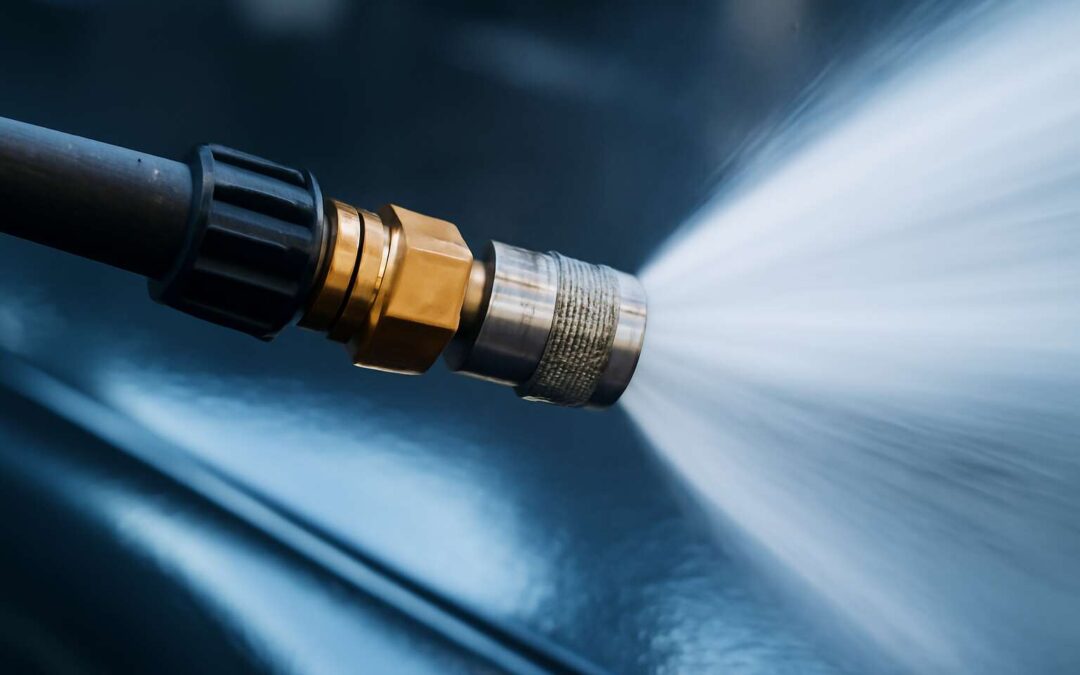
Understanding Pressure Washing Fittings
Definition of Pressure Washing Fittings
Pressure washing fittings are the unsung heroes behind every powerful and efficient cleaning session. These essential components connect hoses, nozzles, and pumps, ensuring the high-pressure water flows seamlessly and safely. Without the right fittings, even the most robust pressure washers can falter, leading to leaks, bursts, or subpar results. Understanding the intricacies of pressure washing fittings is crucial for maintaining optimal performance and safety.
In essence, pressure washing fittings are specially designed connectors that withstand the intense forces generated during cleaning. They come in various shapes and sizes, tailored for specific tasks and equipment types. Whether it’s a quick-connect fitting or a more durable threaded variant, each plays a vital role in the overall system.
- Durability
- Compatibility
- Ease of installation
are the key attributes to look for when selecting pressure washing fittings, especially in regions like South Africa where weather and usage conditions can vary widely.
Importance of Proper Fittings in Pressure Washing
In the realm of pressure washing, the significance of proper fittings cannot be overstated. These seemingly modest components serve as the vital arteries of a high-pressure system, channeling water with unwavering precision. When pressure washing fittings are chosen with care, they transform a routine cleaning into an almost magical process—powerful, seamless, and safe. Conversely, even the smallest mismatch can cause leaks or bursts, disrupting the flow and risking both safety and efficiency.
Understanding the importance of pressure washing fittings is akin to appreciating the delicate balance in a finely tuned orchestra. Each fitting must withstand the intense forces generated during operation, especially in diverse climates like South Africa’s, where weather conditions can be unpredictable. The right pressure washing fittings are durable, compatible with various hoses and nozzles, and easy to install—elements that ensure your equipment performs optimally every single time.
Types of Pressure Washing Fittings
Understanding pressure washing fittings is crucial for anyone serious about getting the job done right—whether you’re a DIY enthusiast or a professional. These fittings come in a variety of shapes and sizes, each designed for a specific purpose, like connecting hoses or attaching nozzles. They’re the unsung heroes that keep your pressure washing system sealed tight and functioning smoothly. When selecting pressure washing fittings, it’s essential to consider compatibility, durability, and ease of installation—after all, no one wants leaks turning their pristine driveway into a mini flood!
There are several common types of pressure washing fittings that you’ll encounter in the field:
- Quick-connect fittings—perfect for those who value speed and convenience, allowing for rapid attachment and detachment without fuss.
- Threaded fittings—offering a more secure connection, ideal for stationary setups or when high-pressure stability is paramount.
- Camlock fittings—known for their robust construction and ability to handle larger volumes of water, making them a favorite among commercial operators.
Choosing the right pressure washing fittings isn’t just about matching sizes—it’s about understanding the demands of your specific cleaning environment. South Africa’s diverse weather conditions call for fittings that can withstand the elements without cracking under pressure or corroding over time. With the right fittings, your pressure washer will deliver consistent, safe, and efficient performance every time you hit the surface! And let’s be honest—nothing beats the satisfaction of a flawless clean, powered by fittings that perform like a champ.
Types of Pressure Washing Fittings
Quick Connect Fittings
In the grand theatre of pressure washing, quick connect fittings are the unsung heroes—facilitating seamless transitions between hoses and nozzles with a mere snap. These fittings have become indispensable, especially in South Africa’s rugged terrains where efficiency and durability are paramount. Their ability to reduce downtime means more time spent on the job, and less fussing with fiddly connections. Ingeniously designed, quick connect fittings for pressure washing are crafted to withstand the relentless assault of high-pressure streams, ensuring no leaks or sudden disconnections.
When selecting pressure washing fittings, it’s vital to consider the variety that best suits your needs. For instance, some fittings feature brass construction for superior corrosion resistance, while others might prioritize lightweight plastic for easier handling. The versatility of these fittings is often embodied in their compatibility with various pressure washer brands and models. To make an informed choice, keep in mind:
- Material durability
- Ease of attachment and detachment
- Pressure capacity
Ultimately, investing in high-quality pressure washing fittings isn’t just about convenience—it’s about ensuring safety, longevity, and peak performance during every job. After all, in a landscape as diverse as South Africa’s, resilient fittings are the backbone of a successful pressure washing endeavour.
Threaded Fittings
Threaded fittings are the backbone of any reliable pressure washing setup, especially across South Africa’s rugged landscapes. Their threaded design ensures a secure, leak-proof connection that can withstand the relentless force of high-pressure streams. These fittings come in various configurations, each tailored to specific needs, whether it’s connecting hoses, nozzles, or pumps. The durability of threaded pressure washing fittings often hinges on their material composition, with brass and stainless steel leading the charge for corrosion resistance and longevity.
Choosing the right threaded fitting isn’t just about compatibility; it’s about resilience. Here are key factors to consider:
- Thread size and type for seamless connection
- Material strength to endure high-pressure environments
- Ease of installation and removal for swift job changes
In the unpredictable conditions of South Africa, the integrity of pressure washing fittings can make or break a job. A well-chosen threaded fitting ensures that every spray hits its mark without hesitation or failure, keeping operations smooth and efficient. When the pressure is on, only the strongest fittings stand tall—ready to face the storm with unwavering resilience.
Cam lock Fittings
Cam lock fittings are a vital component in the world of pressure washing fittings. Known for their quick and secure connection, they are perfect for high-pressure environments where speed and reliability matter. These fittings use a simple locking mechanism that allows operators to connect and disconnect hoses swiftly, saving valuable time on busy job sites.
In South Africa’s rugged terrain, durability is non-negotiable. Cam lock fittings are often made from corrosion-resistant materials like brass or stainless steel, ensuring longevity despite exposure to harsh elements. Their robust design can withstand extreme pressure and temperature fluctuations, making them ideal for demanding pressure washing tasks.
Here’s what makes cam lock fittings stand out:
- Fast, tool-free connection and disconnection
- Secure, leak-proof seal under high pressure
- Resistance to corrosion and environmental wear
Choosing the right pressure washing fittings means opting for components that can handle South Africa’s unpredictable conditions. Cam lock fittings deliver resilience and efficiency, ensuring every spray hits its target without fail. They’re a game-changer in the pressure washing industry—ready to face the toughest jobs with unwavering strength.
Hose Fittings and Couplers
When it comes to pressure washing fittings, the variety is as diverse as South Africa’s landscape—think rugged, reliable, and ready to tackle anything. Hose fittings and couplers are the unsung heroes of the pressure washing world, ensuring that water flows seamlessly from pump to surface. From quick connect fittings that snap into place faster than you can say “clean,” to threaded fittings that provide a more permanent, industrial-grade connection, the options are plentiful.
For those who prefer a fuss-free experience, pressure washing fittings with quick connect technology are the way to go. They save valuable time and reduce frustration, especially on busy job sites. Meanwhile, threaded fittings offer robustness and a tight seal—perfect for equipment that needs to withstand South Africa’s fluctuating temperatures and humidity. Couplers, on the other hand, serve as the bridge, linking hoses and ensuring that no pressure escapes during operation.
- Quick connect fittings for speedy setup
- Threaded fittings for strength and durability
- Couplers to connect hoses effortlessly
Choosing the right pressure washing fittings isn’t just about convenience; it’s about resilience. In South Africa’s demanding environments, fittings need to hold up against corrosion, extreme pressure, and temperature swings. Whether you’re cleaning a sprawling farm or a city façade, the right fittings make all the difference—delivering reliable performance with every spray.
Adapters and Extensions
In the rugged terrains and bustling cities of South Africa, adaptability is key—especially when it comes to pressure washing fittings. Adapters and extensions are the unsung heroes, providing that extra reach or connection when projects demand it most. These versatile components allow pressure washing fittings to seamlessly bridge different equipment and hose sizes, ensuring a smooth flow of high-pressure water even in the most challenging environments.
From extending reach to converting connections, the right adapters and extensions make all the difference. Commonly used types include quick-release adapters for rapid setup, and threaded extensions that offer a secure, long-lasting connection. For those tackling larger surfaces or hard-to-reach spots, flexible hose extensions provide the extra length needed without sacrificing pressure or performance.
- Universal adapters that fit various hose sizes
- High-pressure rated extensions built for durability
- Quick connect adapters for fast, reliable attachments
Choosing the ideal pressure washing fittings with the right adapters and extensions ensures resilience against South Africa’s diverse climate—be it the coastal humidity or the arid inland heat. It’s these details that empower operators to work efficiently, whether cleaning sprawling farms or intricate urban facades, transforming everyday pressure washing into a dependable craft.
Materials Used in Pressure Washing Fittings
Brass
When it comes to pressure washing fittings, few materials match the resilience and reliability of brass. This noble metal has long been the darling of the industry, prized for its exceptional corrosion resistance and durability under high pressure. In the often unpredictable climate of South Africa, where coastal air and inland moisture can turn metal frail, brass fittings stand resilient, ensuring your pressure washing equipment remains in pristine condition.
Moreover, brass’s natural malleability makes it a versatile choice for manufacturers, allowing for precision-engineered fittings that fit snugly and withstand the rigours of frequent use. Its ability to resist galvanic corrosion—common when different metals meet—further cements brass’s reputation as the go-to material for pressure washing fittings. Whether you’re outfitting a commercial cleaning operation or a do-it-yourself project, brass fittings promise longevity and performance that won’t let you down.
- Corrosion resistance
- High durability under pressure
- Excellent malleability for precise fittings
Stainless Steel
When it comes to pressure washing fittings, stainless steel stands out as a formidable contender in the realm of durability and strength. Known for its exceptional resistance to rust and corrosion, stainless steel is a vital material for pressure washing fittings that need to withstand South Africa’s unpredictable climate. Coastal air, inland moisture, and the relentless wear of high-pressure streams test the resilience of equipment daily, making stainless steel fittings an excellent choice for long-term performance.
What truly sets stainless steel apart is its remarkable ability to endure extreme conditions without compromising integrity. Unlike other metals that may falter over time, stainless steel fittings maintain their structural integrity, ensuring your pressure washing setup remains reliable. For those seeking a combination of strength and longevity, stainless steel fittings are often the preferred option. Their resistance to corrosion and high-pressure durability make them indispensable in demanding environments, whether for commercial cleaning or rugged DIY projects.
Plastic (PVC and Polypropylene)
Plastic materials like PVC and polypropylene are popular choices for pressure washing fittings. These plastics offer a lightweight yet durable alternative to metal fittings, making them ideal for various cleaning tasks across South Africa. Their resistance to chemicals and moisture ensures longevity, even under demanding conditions. Plus, they don’t corrode or rust, which is crucial when working near coastal areas or inland environments prone to humidity.
Many pressure washing fittings made from plastic are designed with user convenience in mind. They often feature quick connect systems that simplify setup and disassembly. Here are some common types of plastic fittings used in pressure washing:
- PVC fittings for versatile, cost-effective solutions
- Polypropylene fittings for enhanced chemical resistance
While plastic fittings excel in many applications, it’s essential to match the material to the pressure and temperature demands of your project. For lighter-duty tasks, plastic pressure washing fittings provide reliable performance without the added weight or cost of metal alternatives. Their affordability and resistance to corrosion make them a staple in both commercial and DIY pressure washing setups.
Rubber and Other Materials
Materials used in pressure washing fittings are as diverse as the environments they serve. While plastics like PVC and polypropylene dominate the scene due to their lightweight and corrosion-resistant properties, other materials also play vital roles in demanding applications. Rubber, for instance, is often employed in seals and gaskets, providing a reliable barrier against leaks and maintaining pressure integrity. Its elasticity ensures a snug fit, even under fluctuating pressure levels, making it indispensable in high-stress scenarios.
Beyond rubber, metals such as brass and stainless steel are favored for their durability and resistance to wear. Brass fittings are prized for their excellent corrosion resistance and ease of machining, making them ideal for fittings that require frequent disassembly. Stainless steel, on the other hand, offers superior strength and longevity, particularly in coastal environments where salt and humidity pose persistent threats to lesser materials. The choice of material often hinges on factors like pressure level, temperature, and exposure to harsh elements, underscoring the importance of selecting the right pressure washing fittings for each task.
Choosing the Right Pressure Washing Fittings
Factors to Consider (Pressure Rating, Compatibility, Material)
Choosing the right pressure washing fittings isn’t just about matching connectors—it’s about ensuring safety, efficiency, and durability. A critical factor often overlooked is the pressure rating; selecting fittings that can withstand the maximum PSI of your pressure washer prevents catastrophic failures and costly repairs. Compatibility is equally vital—improper fittings can lead to leaks or disconnections at the worst moments, especially when working with high-pressure systems.
Material choice plays a pivotal role in longevity and performance. For heavy-duty applications, brass and stainless steel fittings are trusted for their resilience against corrosion and wear, while plastic fittings might suffice for lighter tasks. When selecting pressure washing fittings, consider these key factors to avoid surprises on the job:
- Ensure the fittings’ pressure rating exceeds your pressure washer’s maximum PSI.
- Confirm compatibility with your existing hoses and nozzles.
- Choose materials suited to the environment—corrosive conditions demand stainless steel or brass.
In the unpredictable world of pressure washing, the right fittings can be your safeguard against unexpected failures, transforming a routine task into a seamless operation. Because in this line of work, precision isn’t just preferred—it’s essential.
Matching Fittings to Equipment Specifications
Matching fittings to equipment specifications isn’t just about compatibility—it’s the cornerstone of a flawless pressure washing operation. In South Africa’s diverse environments, from coastal areas where corrosion lurks to arid zones demanding durability, selecting the right pressure washing fittings can make all the difference. The key is to dive deep into the specifics of your pressure washer’s PSI and flow rate. Overlooking this detail risks leaks, disconnections, or even catastrophic failures mid-job.
To ensure seamless integration, consider these essential steps:
- Identify the maximum PSI your pressure washer can handle.
- Match fittings that exceed this pressure to prevent bottlenecks or failures.
- Verify compatibility with your hoses and nozzles to avoid mismatch issues.
Choosing fittings crafted from resilient materials like brass or stainless steel enhances performance, especially in rugged South African conditions where corrosion and wear are common adversaries. When fittings align perfectly with your equipment specifications, the entire pressure washing process transforms into a smooth, efficient adventure—free of surprises and full of dependable power.
Common Sizes and Thread Types
Choosing the right pressure washing fittings is a pivotal step in ensuring the longevity and efficiency of your cleaning operations. In South Africa’s rugged landscapes, where corrosion and wear threaten equipment, selecting common sizes and thread types becomes even more critical.
Most pressure washing fittings come in standard sizes such as 1/4 inch, 3/8 inch, and 1/2 inch. These measurements are the backbone of compatibility, ensuring your fittings seamlessly connect with hoses, nozzles, and pressure washers. Thread types, like BSP (British Standard Pipe) and NPT (National Pipe Thread), are equally vital—each tailored to specific regional standards and equipment designs.
Matching these fittings accurately prevents leaks, enhances safety, and maintains consistent performance. Whether you’re outfitting a coastal operation or a dry inland site, understanding these common sizes and thread types empowers you to craft a resilient pressure washing setup that stands the test of time and terrain.
Installation and Maintenance of Pressure Washing Fittings
Proper Installation Techniques
In the intricate dance of pressure washing, the significance of proper installation of fittings cannot be overstated—each connection a fragile lifeline that sustains the relentless force of high-pressure water. Ensuring these fittings are installed correctly not only guarantees optimal performance but also prolongs the lifespan of the entire system. The process begins with meticulous attention to detail, where selecting the appropriate fitting type—be it quick connect fittings, threaded fittings, or cam lock fittings—must align precisely with the operational demands and material compatibility.
To achieve seamless integration, consider these essential steps for proper installation:
- Verify that all fittings are rated for the system’s maximum pressure to prevent catastrophic failures.
- Ensure threads are clean, dry, and free of debris to facilitate a secure, leak-proof connection.
- Apply thread sealant or Teflon tape where necessary to enhance sealing and prevent corrosion over time.
Regular maintenance of pressure washing fittings involves inspecting for wear, corrosion, and leaks. Replacing worn components promptly, especially rubber or plastic fittings, preserves the integrity of your pressure washing operation. When maintenance is neglected, unseen weaknesses can escalate into costly failures, undermining efficiency and safety. So, whether you’re fitting brass, stainless steel, or plastic fittings, a disciplined approach to installation and upkeep forms the backbone of a resilient pressure washing system—ensuring every spray is as powerful and precise as intended.
Tips for Ensuring Secure Connections
Secure connections are the backbone of an efficient pressure washing system. In a landscape where a single faulty fitting can cause costly downtime, understanding the nuances of installation and maintenance becomes crucial. Properly fitted pressure washing fittings not only prevent leaks but also withstand the relentless force of high-pressure water, safeguarding both your equipment and your safety.
Regular inspection is essential. Look for signs of wear, corrosion, or cracks—especially on rubber and plastic fittings, which are more susceptible to deterioration. A simple yet often overlooked step is ensuring all fittings are clean and free of debris before installation. Dirty threads or compromised seals can sabotage even the most expertly assembled system.
To guarantee a secure connection, consider this approach: always verify that the pressure washing fittings are rated for your system’s maximum pressure. When assembling, apply thread sealant or Teflon tape to enhance sealing and prevent corrosion. This extra layer of protection can save hours of troubleshooting down the line.
- Conduct routine maintenance checks
- Replace worn or damaged fittings promptly
- Use compatible fittings that match your pressure and material specifications
By maintaining a disciplined approach to fitting installation and upkeep, you preserve the integrity of your pressure washing system. Every connection, when handled with precision and care, transforms into a resilient link—ensuring every spray remains powerful, safe, and consistent, even under the most demanding conditions.
Maintenance Tips to Prevent Leaks and Damage
In the delicate dance of maintaining a pressure washing system, the integrity of pressure washing fittings is paramount. These vital components serve as the silent guardians of efficiency, yet their lifespan hinges on meticulous installation and ongoing maintenance. Over time, even the most robust fittings can succumb to wear, corrosion, or fatigue, risking leaks that compromise safety and productivity.
To prevent such setbacks, routine inspection becomes an art form. Regularly examine pressure washing fittings for signs of deterioration—cracks, corrosion, or rubber degradation—and address issues before they escalate. Ensuring fittings are free from debris and dirt prior to installation is equally critical, as contaminants can undermine sealing integrity. When fitting your system, always verify that your pressure washing fittings are rated for your specific pressure levels. Applying thread sealant or Teflon tape during assembly adds an extra layer of protection, safeguarding against leaks and corrosion.
Incorporating these best practices—such as replacing worn fittings promptly and matching fittings to equipment specifications—preserves the resilience of your setup. After all, every connection is a testament to the craftsmanship that keeps your pressure washing system performing at its peak, even under relentless conditions.
Troubleshooting Common Issues with Pressure Washing Fittings
Leaks and Drips
Leaks and drips from pressure washing fittings can transform a pristine driveway into a miniature waterfall—minus the scenic view. The first culprit? Usually, a connection that wasn’t quite up to snuff. Sometimes, it’s a matter of a fitting not being tight enough or a rubber washer that’s seen better days. But don’t despair; diagnosing these hiccups isn’t rocket science, even if it feels like it sometimes.
One quick fix involves inspecting the fitting for any visible cracks or damage. If everything looks intact but the leak persists, consider whether the fitting was properly matched to the pressure rating of your equipment. Over time, fittings made from plastic or rubber can become brittle or warped, especially after exposure to the elements. Replacing worn-out parts with high-quality brass or stainless steel fittings can make a significant difference. For stubborn leaks, it’s wise to disassemble and reassemble, ensuring all connections are snug and that washers are seated correctly. Remember, even the tiniest misalignment can cause a continuous drip—annoying, costly, and potentially dangerous.
- Check for damaged washers or O-rings
- Ensure fittings are compatible with pressure ratings
- Verify all connections are tightened securely
- Replace worn or cracked fittings promptly
By paying attention to these details, you can keep your pressure washing fittings leak-free and your workload smooth as silk—well, at least as smooth as possible with high-pressure equipment in tow.
Fittings Not Connecting Properly
When pressure washing fittings refuse to connect properly, it can turn a straightforward task into a frustrating puzzle. Imagine the power of high-pressure water fighting against loose or incompatible fittings—no wonder leaks and poor connections happen! Troubleshooting these issues requires a keen eye and a methodical approach. First, inspect each fitting for any visible damage or debris that may hinder a secure connection. Often, dirt or corrosion can prevent fittings from locking into place.
Next, verify that the pressure washing fittings are suitable for your equipment’s pressure ratings and thread types. Mismatched fittings are a common culprit behind connection failures. If fittings seem incompatible, replacing them with high-quality brass or stainless steel options can restore integrity. For a seamless connection, consider the following steps:
- Ensure all fittings are tightly secured, but avoid overtightening which can cause damage.
- Check that washers or O-rings are seated correctly and aren’t cracked or worn out.
- Replace any fittings that show signs of deterioration or warping.
Sometimes, a simple disassembly and reassembly can work wonders, especially when fittings have become slightly misaligned. Remember, the right pressure washing fittings are vital to maintaining a leak-free setup, keeping your workflow efficient and safe. With a little patience and attention to detail, securing those fittings becomes almost like unlocking a hidden treasure—reliable, sturdy, and ready to tackle any cleaning challenge!
Wear and Corrosion
In the shadowy realm of pressure washing fittings, wear and corrosion lurk like silent specters—gradual, insidious, yet capable of wreaking havoc on your pristine setup. These silent foes erode the integrity of fittings, threatening leaks and compromised connections that can turn a routine cleaning into a dark ordeal. The corrosive forces of moisture and exposure to harsh elements accelerate this decay, especially on fittings crafted from inferior materials or left unchecked over time.
Troubleshooting these common issues demands a keen eye and a steady hand. Examine each fitting meticulously, seeking signs of pitting, discoloration, or warping—clues that corrosion has taken hold. Often, these problems manifest as drips or sudden drops in pressure, whispering of a breach in the system’s armor.
For those battling corrosion, replacing compromised fittings with high-quality brass or stainless steel offers a sanctuary of durability. These materials resist decay, ensuring your pressure washing fittings remain resilient against the relentless march of time.
- Regular inspection
- Timely replacement of worn parts
- Use of corrosion-resistant materials
are your best defenses against this creeping menace. In the realm of pressure washing, sturdy fittings are not just accessories—they are the guardians of a leak-free, efficient operation that withstands the test of time’s relentless assault.
Replacing Damaged Fittings
When pressure washing fittings falter, the entire operation risks turning into a catastrophic tale of leaks and inefficiency. The first step in troubleshooting common issues is a meticulous inspection—every connection, every joint, every fitting deserves scrutiny. Often, worn or corroded fittings manifest as stubborn drips or sudden pressure drops, whispering that the system’s integrity is compromised. Recognizing these signs early can save both time and costly repairs.
Replacing damaged fittings is an art that combines patience with precision. To ensure longevity, select fittings crafted from durable materials like brass or stainless steel—these resist corrosion and stand firm against South Africa’s harsh elements. When replacing fittings, follow a systematic approach: disconnect the affected component, clean the connecting surfaces thoroughly, and secure the new fitting with proper torque. Here’s a quick overview of the process:
- Turn off the pressure washer and depressurize the system.
- Detach the compromised fitting carefully, avoiding damage to surrounding components.
- Inspect the connection point for debris or corrosion and clean if necessary.
- Install the new fitting, ensuring a snug, leak-proof connection.
- Gradually re-pressurize the system and check for leaks or pressure irregularities.
In many instances, choosing the right fitting—matching the pressure rating, size, and thread type—is crucial for seamless operation. Regularly inspecting fittings and replacing worn parts before they falter can prevent unforeseen breakdowns, keeping your pressure washing system running smoothly and efficiently. Remember, in the realm of pressure washing fittings, proactive maintenance is the key to a leak-free and resilient setup that endures the relentless march of time and nature’s elements.
Where to Buy Quality Pressure Washing Fittings
Retail Stores and Specialty Suppliers
Finding reliable sources for quality pressure washing fittings can feel like navigating a labyrinth in a mythical realm—each turn revealing new options, yet the true treasure lies in those that combine durability with performance. Retail stores across South Africa offer an extensive range of pressure washing fittings, often stocked with trusted brands that meet rigorous industry standards. Whether you’re outfitting a professional cleaning operation or enhancing your home setup, sourcing fittings from reputable outlets ensures longevity and safety.
Specialty suppliers elevate the quest further, providing bespoke fittings tailored to specific pressure washing needs. These suppliers often carry a curated selection of materials like brass, stainless steel, and high-grade plastics, ensuring compatibility with diverse equipment. For those seeking convenience, many retail and specialty stores now offer online portals—making the process of acquiring pressure washing fittings seamless and swift. An ideal choice might involve visiting stores that provide a comprehensive inventory, including:
- Quick connect fittings
- Threaded fittings
- Cam lock fittings
- Adapters and extensions
By choosing the right retail or specialty supplier, users in South Africa can confidently equip their pressure washing arsenal with fittings that guarantee performance, safety, and durability—an investment that’s worth every rand spent.
Online Marketplaces and Suppliers
In the bustling digital marketplace of South Africa, discovering where to buy quality pressure washing fittings online can transform a mundane task into an effortless adventure. Leading online marketplaces offer a treasure trove of options, connecting you with trusted suppliers who prioritize durability and performance. These platforms often feature detailed product descriptions and customer reviews, making it easier to select fittings that match your specific pressure washing needs.
Reputable suppliers such as PressureTech Supplies or CleanPro Gear provide a comprehensive array of pressure washing fittings, including quick connect fittings, threaded fittings, and cam lock fittings. Browsing through their virtual shelves feels like exploring a well-curated armory of high-grade materials—brass, stainless steel, and resilient plastics—all designed to withstand the rigors of intense pressure washing tasks.
- Online marketplaces with robust search filters
- Specialized pressure washing equipment suppliers
- Regional distributors offering fast shipping within South Africa
Whether you prefer to browse through large e-commerce giants or niche suppliers dedicated to pressure washing fittings, the online market provides unmatched convenience. With just a few clicks, you can equip your pressure washing arsenal with fittings that promise safety, longevity, and peak performance—making the digital realm your ultimate ally in the quest for cleaning excellence.
Tips for Choosing Reliable Vendors
Finding reliable sources for quality pressure washing fittings is essential for ensuring your equipment performs optimally and lasts longer. In South Africa’s vibrant market, discerning vendors are those who prioritize material integrity and consistent supply chain standards. When selecting where to buy, look for vendors that offer transparency in their product specifications, especially regarding pressure ratings and compatibility. Trustworthy suppliers often have established reputations, backed by positive customer reviews and certifications, which can serve as a compass in navigating the myriad options available.
To streamline your decision, consider focusing on vendors that specialize in pressure washing fittings and offer a broad selection of materials such as brass, stainless steel, and resilient plastics. This variety ensures you can match fittings precisely to your pressure washing equipment’s needs. Whether shopping at retail stores, specialty suppliers, or trusted online marketplaces, choosing a vendor with a comprehensive inventory and sound technical support makes all the difference. Remember, investing in quality fittings isn’t just about immediate performance—it’s about safeguarding your investment and ensuring safety during every high-pressure operation.
