Fundamentals of Modern Pressure Cleaning Systems
Definition and core principles
The wheels of grime tremble as modern pressure systems awaken; steam curls over a dawn-lit yard, and a quiet power hums within the machinery. A striking statistic stands out: facilities embracing high pressure cleaning technologies report faster turnaround while protecting sensitive surfaces. At its core, this is a precise craft—calibrated pressure, steady flow, and adept nozzle geometry coaxing dirt from stone, steel, and timber without a scar.
Fundamentals of modern pressure cleaning systems center on definition, control, and harmony. Here are the guiding principles that frame every clean:
- Balance pressure and flow for each surface—stone, metal, or timber—minimizing risk of damage.
- Detergent choice, dwell time, and nozzle size create the needed balance; the strongest blast is useless without patience.
- Safety and maintenance underwrite performance; trained operators protect people, property, and pride.
Across South Africa’s urban sprawl and coastal yards, these technologies reveal poetry in clean—measured, relentless, and respectful of the surfaces touched!
Key components and hardware
Across South Africa, facilities upgrading to high pressure cleaning technologies report up to 30% faster turnaround and gentler treatment of stone and metal surfaces. The backbone of these systems lies in precision hardware that translates energy into controlled cleaning power.
Fundamentals sit in three zones: power, flow, and delivery. The pump, driven by a motor or engine, creates the high-pressure jet—clean power you can trust!
- High-pressure pump
- Unloader valve
- Pressure gauge
- Hose and spray wand
- Nozzle tips
- Detergent injection system
- Filtration and water inlet
Detergent delivery, nozzle strategy, and in-line filtration complete the setup; safety features and routine maintenance keep performance steady and predictable.
Operating modes and efficiency factors
Across South Africa, the right operating mode can trim a job by hours, turning grind into choreography. In the realm of high pressure cleaning technologies, success hinges on how energy, water, and reach are balanced for the surface at hand. Modern machines respond with precision, letting operators nudge away grime from stone, metal, and concrete without collateral damage.
Three common modes guide this balance:
- Eco mode for gentle surfaces and detergent-assisted cleaning
- Standard mode for balanced power and flow
- Boost mode for stubborn deposits and rapid cycles
Efficiency factors include stable flow, pulse-free delivery, and smart maintenance to keep performance consistent. Temperature management, detergent synergy, and duty cycles influence results more than raw pressure alone. The charm lies in the subtle adjustments that unlock safety and speed, a hallmark of high pressure cleaning technologies across South Africa.
Safety standards and training requirements
Across South Africa, safety in high pressure cleaning technologies isn’t optional—it’s a performance variable. A recent industry pulse shows a 65% reduction in incidents when operator training is current. That difference lands with crisp certainty as the spray comes alive and the crew breathes easier.
Safety standards anchor every operation: South Africa’s Occupational Health and Safety Act requires proper training, PPE, and clear emergency procedures. Operators wear eye protection, gloves, and hearing protection; guards stay in place; emergency shutoffs remain within reach.
Within the realm of high pressure cleaning technologies, training requirements emphasize competence over bravado:
- Operator certification and hands-on assessment
- Hazard identification, risk assessment, and task planning
- PPE discipline, equipment inspection, and emergency shutoff drills
- Lockout/tagout and chemical handling
Documentation and periodic refreshers keep safety and performance aligned with evolving standards.
Environmental impact and waste handling
Environmental stewardship shapes every modern jobsite, and the numbers are telling: sites that capture and treat wastewater cut their environmental footprint by a meaningful margin. In the realm of high pressure cleaning technologies, the way we handle runoff, detergents, and hydrocarbons can tilt a project from acceptable to exemplary. South Africa-specific regulatory expectations push operators to think about water reuse, sediment controls, and responsible disposal from the first rinse to the last drying sweep. It’s not just about clean surfaces; it’s about leaving a lighter trace on the landscape.
- Containment of runoff and spill response
- Wastewater treatment and recycling
- Chemical management and disposal
Smart environmental practices also reduce downstream costs and reputational risk, aligning with modern waste handling norms and sustainable business imperatives.
Types of Pressure Cleaning Equipment and Setups
Gas-powered vs electric units
Power arrives in more than one flavor, and in the world of high pressure cleaning technologies, the right equipment can turn a stubborn stain into a sigh of relief. Gas-powered units lend raw torque for open spaces and heavy-duty surfaces, while electric machines excel in indoor areas with tighter access. The right mix respects the job’s footprint, distance, and surface—a balance rural crews have learned to value over time.
- Gas-powered portable units for open paddocks, yards and tough concrete
- Electric corded models for workshops, sheds, and enclosed spaces
- Electric battery-powered units for light, cord-free versatility
- Trailer- or skid-mounted systems for longer, multi-site jobs
These families sit within high pressure cleaning technologies and affect weight, maintenance, and noise levels. In South Africa, fuel availability and service networks shape how gear serves both rural yards and urban storefronts—and the story continues to evolve with cleaner, quieter options.
Cold water, hot water, and steam systems
Across South Africa’s varied yards, speed is earned by the right tool. In the realm of high pressure cleaning technologies, cold water, hot water, and steam each open distinct doors, turning stubborn grime into a sigh of relief and letting crews move faster between tasks.
Type and setup matter as much as the power itself. Cold water systems deliver reliable cleansing for open spaces and rough substrates; hot water units tackle grease and heavy soils with fewer passes; steam shines on sanitising jobs and delicate materials—quiet, vigilant, and surprisingly versatile!
- Cold-water, portable or trailer-mounted units for open spaces
- Hot-water systems with on-board boilers for greasy surfaces
- Steam-cleaning units for sanitation and delicate finishes
Each choice echoes with practical considerations in SA circles, where water supply and noise policies influence equipment selection.
Nozzle selection, spray patterns, and flow controls
Across South Africa’s yards, efficiency is earned by the right tool. In high pressure cleaning technologies, the right nozzle, spray pattern, and flow control can turn stubborn grime into yesterday’s memory.
- Nozzle selection: varied orifice sizes and spray angles tailor cleaning power to surface tolerance and soil load.
- Spray patterns: from tight jets to broad fans, including rotary options for heavy soiling.
- Flow controls: adjustable regulators and duty-cycle awareness maintain consistent pressure and protect delicate finishes.
Equipment setups span portable wands to compact trailer rigs, each pairing capability with site constraints like space, water supply, and noise considerations. The orchestration of nozzle, spray pattern, and flow control remains the heartbeat of the job—making dirty work deterministic and surprisingly precise.
Static versus mobile pressure washers
Across South Africa’s industrial yards, efficiency is earned by the right setup. High pressure cleaning technologies reveal a spectrum—from nimble wands to tireless trailer rigs. The heartbeat is the configuration: balance power with surface tolerance, water supply, and noise. “The right setup makes the wash sing,” an operator often declares, and it is true. Static rigs stay planted, delivering steady blasts; mobile units chase a site’s twists and turns, slipping through tight corners with ease!
- Static, skid-mounted or trailer-integrated systems that provide relentless, predictable pressure for permanent sites.
- Mobile, compact wands and trailer units designed for on-the-go access, space constraints, and lower noise profiles.
These configurations let grime yield to precision, a quiet, efficient artistry.
Accessories and attachments that boost versatility
In high pressure cleaning technologies, versatility is the secret sauce that keeps South Africa’s industrial yards sparkling with minimal downtime. The right mix of gear—rigs, wands, and adaptable setups—turns grimy corners into gleaming showcases and makes maintenance crews look like wizards in overalls.
- Surface cleaners for large flatwork
- Rotary and turbo nozzles for stubborn grime
- Chemical injectors and dilution control
- Swivel hoses and retractable reels for reach and ergonomics
Beyond raw power, these attachments translate reach, precision, and efficiency. Surface cleaners tame large flat surfaces with even flushing, rotary nozzles tackle stubborn corners, and chemical injectors give tough stains a showdown without soaking the team. Swivel hoses keep operators fluid and safe, while compatibility across electric and gas platforms extends the reach of these systems across SA sites.
Maintenance and total cost of ownership
In the realm of high pressure cleaning technologies, choosing the right equipment and setup matters more than mere brute power. A thoughtful mix of mobile rigs, fixed plants, and modular kits keeps SA yards moving, from mine sites to municipal depots, with minimal downtime and maximum reliability.
Types of equipment and setups can be shaped around tasks and space.
- Portable electric and petrol units for tight spaces
- Trailer- or skid-mounted rigs for long runs between sites
- Containerized or fixed-installation systems for permanent bays
- Modular, scalable configurations that grow with your fleet
Maintenance cadence, parts availability, and downtime costs drive the total cost of ownership. In SA, service networks offer close access to parts, smoothing the financial curve over years within the rugged realities of industrial yards.
Applications Across Industries
Construction and building maintenance
Stubborn stains don’t negotiate. On South Africa’s construction sites, clean surfaces translate to faster turnover—40% quicker prep when high pressure cleaning technologies are deployed.
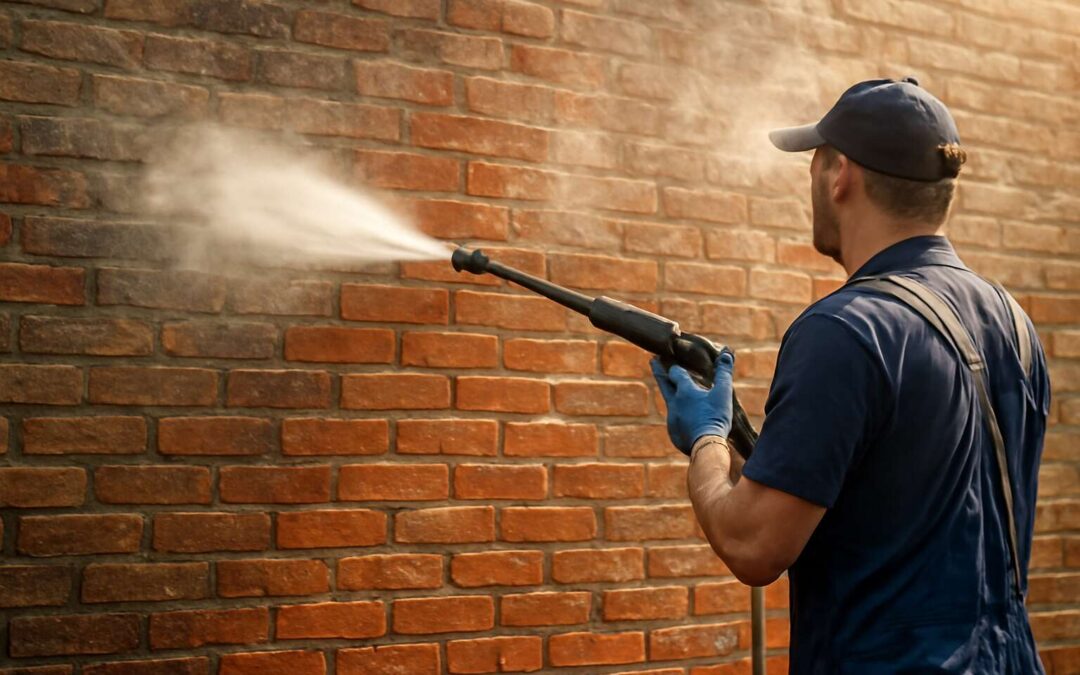
Construction and building maintenance hinge on decisive surface prep. Facades, paving, and equipment bays shed years of grime, revealing sound substrates ready for coatings or sealing.
- Facade cleaning and render restoration
- Decks, parking areas, and pedestrian routes
- Industrial equipment and plantroom cleansing
Beyond new builds, mining camps, hospitality venues, municipalities, and agricultural operations all rely on this disciplined approach. These applications benefit from controlled flow, gentler patterns on sensitive surfaces, and responsible waste handling—hallmarks of modern cleaning practices.
Automotive and manufacturing facilities
Across automotive and heavy manufacturing sites in South Africa, surface cleanliness is a lifeline, showcasing how high pressure cleaning technologies transform stubborn grime into history, revealing sound substrates ready for assembly, coating, and sealing. On busy factory floors, pristine surfaces help workflows move faster and with fewer interruptions.
From engine bays to conveyor housings, the right pressure approach lifts away oil, cooling dust, and fingerprints without harming delicate components. I’ve witnessed the difference on shop floors where equipment stays reliable longer. The result is safer operations, extended equipment life, and showroom-worthy finishes that reflect quality across every line and bay.
- Vehicle assembly lines
- Engine bays and components
- Conveyor systems and plantrooms
Food processing and sanitation considerations
“Cleanliness is safety, speed, and cost savings rolled into one!” a Gauteng plant manager told me as we battled a stubborn grime streak. In South Africa’s food processing corridors, high pressure cleaning technologies are not luxuries; they’re the quiet engine of compliance and product integrity. They reveal sound substrates ready for CIP cycles, sanitation checks, and audits, turning messy routines into predictable, repeatable outcomes.
Applying these tools with sanitation in mind means respect for surface finishes and process flow.
- Surface compatibility, stainless steel finishes, and biofilm control
- Processing downtime and CIP compatibility to keep lines running
- Residue management, rinse efficacy, and traceability of wash cycles
In SA plants, teams value the balance between aggressive cleansing and gentle care. When technique meets discipline, these methods become a strategic asset across food facilities.
Maritime and shipyard cleaning
Salt never sleeps on the edge of the quay, and a shipyard supervisor once quipped, “Clean ships breathe faster.” In maritime maintenance, a single pass of high pressure cleaning technologies can strip years of salt and grime in minutes, accelerating readiness and safety.
Typical uses include:
- Hull cleaning and antifouling prep
- Deck and superstructure cleaning
- Ballast tanks and exterior piping
In these environments, material sensitivity matters. Marine-grade stainless steel, aluminum, and FRP require careful pressure control to avoid coating damage, pitting, or accelerated wear. The rhythm of the spray must respect corrosion resistance and hydrodynamic realities.
Across South Africa’s ports, crews fuse discipline with technique, turning grime into readiness. These tools underpin seaworthy fleets, quietly shaping inspections, certifications, and the confidence to venture beyond the horizon.
Public spaces and municipal assets
Across South Africa’s cities, a clean space signals safety and pride. Municipal crews report that targeted high pressure cleaning technologies can cut maintenance cycles by a third, turning stubborn grime into gleaming readiness. The spray’s rhythm is a quiet, almost supernatural, ally of urban resilience.
Public spaces and municipal assets demand more than a wash; they require ongoing protection against hazards and wear.
- Parks and plazas
- Transit hubs and stations
- Building façades and monuments
- Sports venues and arenas
From gleaming walkways to safer seating areas, urban cleaning programs become a measurable asset—boosting safety, perceptions of care, and readiness for events or inspections.
Industrial cleanup in oil and gas or energy sectors
Safety, uptime, and pride ride on clean equipment—South Africa’s oil and gas sites prove it daily. High pressure cleaning technologies unlock access to hard-to-reach areas, stripping stubborn residues with precision and care. The right balance of pressure, temperature and surface compatibility keeps corrosion at bay while reducing downtime and extending asset life—I’ve seen the results on offshore platforms and in refineries.
- Offshore platforms and FPSOs
- Refineries and petrochemical complexes
- Gas processing plants and pipelines
- Power generation facilities and storage depots
From offshore rigs to inland refineries and power stations, these solutions safeguard critical infrastructure against SA’s harsh conditions.
Advances, Sustainability, and Best Practices
Automation, robotics, and remote operation
Advances in high pressure cleaning technologies are reshaping how we tackle stubborn encrustations. Intelligent pressure profiling, arcane sensor-guided nozzle steering, and compact, energy-saving pumps let operators clean deeper with less water and fewer passes. The result is almost magical: surfaces emerge pristine, revealing textures and colours previously hidden beneath grime!
Sustainability now drives design and operation. Closed-loop water systems, low-flow nozzles, and energy‑efficient motors reduce consumption without sacrificing performance. Predictive maintenance keeps pumps healthy, while recyclable coatings and biodegradable cleaners limit waste.
- Closed-loop water recapture minimizes discharge
- Low-flow, high-efficiency nozzles extend pump life
- Biodegradable cleaners support safer environments
Best practices in automation, robotics, and remote operation blend craft with computation. Robotic arms handle repetitive scrubbing, while remote dashboards—daemon-like yet precise—monitor pressure, temperature, and flow in real time.
- Remote diagnostics and monitoring
- Autonomous cleaning sequences for consistency
- Seamless integration with site management systems
Water recycling and energy efficiency
Advances in high pressure cleaning technologies are reshaping surface restoration in South Africa and beyond, with precision that feels almost surgical. Intelligent pressure profiling, sensor-guided nozzle steering, and compact energy-saving pumps let operators cut through stubborn encrustations while using less water and fewer passes.
Sustainability now drives design and operation. Closed-loop water recapture, low-flow nozzles, and energy-efficient motors trim consumption without sacrificing performance.
- Closed-loop water recapture minimizes discharge
- Low-flow, high-efficiency nozzles extend pump life
- Biodegradable cleaners support safer environments
Best practices in this field blend craft with computation. Teams define site-specific standards, calibrate flow and temperature to material tolerance, and benchmark performance against unseen baselines. The aim is consistent results across shifts, sites, and conditions, with a culture of continuous improvement.
Eco-friendly detergents and chemical management
Advances in high pressure cleaning technologies are reshaping surface restoration with surgical precision—smarter hydraulics, adaptive pressure profiles, and real-time diagnostics fuel cleaner results without unnecessary wear.
Sustainability now guides every choice, and our teams notice how closed-loop water handling and low-impact cleaners reduce splash zones and contamination, while data-driven dosing keeps concentrations aligned with material tolerance.
- Biodegradable cleaners that remain effective under pressure
- Precise dosing and on-site neutralization strategies
- Safer packaging and waste minimization
Best practices blend craft with computation, setting site-specific standards and benchmarking beyond conventional baselines. In this discipline, meticulous material handling, traceable chemical logistics, and continuous improvement are not optional—they are a moral compass within modern surface restoration technologies.
Safety training, certifications, and regulatory compliance
Across South Africa’s industrial landscapes, advances in high pressure cleaning technologies blend surgical precision with operational discipline. Smarter hydraulics, adaptive pressure profiles, and real-time diagnostics are cutting cycle times and preserving surface integrity, turning potential wear into predictable performance!
Sustainability now guides every choice; closed-loop water handling, low-impact cleaners, and data-driven dosing shrink splash zones and protect materials.
Best practices hinge on rigorous safety training, recognized certifications, and strict regulatory compliance. Operators undergo structured programs aligned with South Africa’s occupational health and safety guidelines; annual refreshers keep pace with evolving standards. Documented PPE, incident reporting, and spill response plans become routine—because traceable logistics, robust waste handling, and audit-ready records are the moral compass of modern surface restoration.
- Operator certification and ongoing safety training
- Waste handling, water reuse, and environmental permit compliance
- Records, audits, and regulatory reporting
Data and performance analytics for cleaning programs
Advances in high pressure cleaning technologies across South Africa blend AI-guided diagnostics with adaptive flow control, shaving cycle times and preserving surface integrity. From modular hydraulics to cloud-connected pumps, today’s rigs are data-collection nodes that quietly outpace old-school brute force.
On the sustainability front, operators chase more than clean; they chase stewardship—reuse of rinse water, greener chemistries, and lower eco-footprints. Real-time tracking helps shrink waste streams while protecting materials across facilities big and small.
- Water reuse rate
- Detergent and additive usage per cycle
- Energy per square meter cleaned
Best practices now hinge on data and performance analytics: dashboards, KPIs, and predictive alerts translate numbers into decisive action. It’s not just cleaner; it’s smarter, traceable, and relentlessly efficient—fueling the evolution of these technologies.
Future trends and emerging technologies
Performance writes its own numbers in the air—uptime is the new clean. Advances in high pressure cleaning technologies arrive like a storm of precision: sensors listen, pumps adjust, and modular hydraulics fuse power with nuance. Rigs on factory floors and docks now respond in microseconds, slashing cycle times while protecting delicate surfaces.
Sustainability threads through every nozzle, from reusing rinse water to greener chemistries. Operators choreograph rinse sequences with care, shrinking waste, extending asset life, and meeting stringent environmental standards across SA facilities.
Best practices now hint at future trends and emerging technologies: digital twins, ozone-assisted cleaning, and modular rigs that upgrade with a whisper of new capability.
- Digital twins and remote calibration
- Modular hydraulics and cloud-native control
- Smart materials and durable nozzle components
