
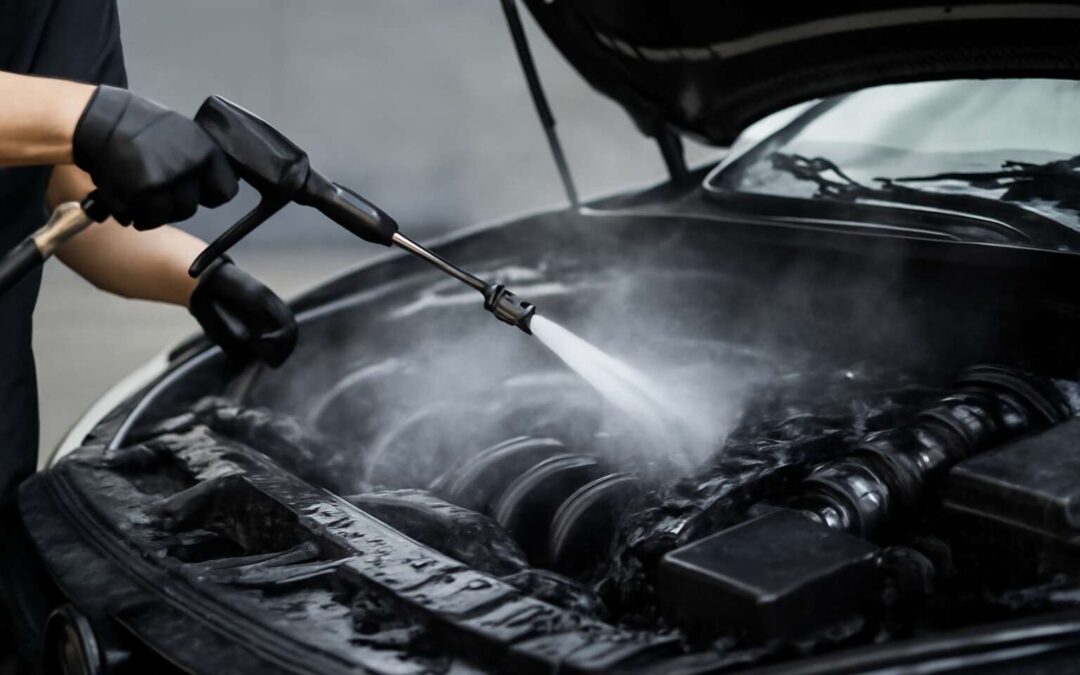
Understanding Pressure Washing for Vehicles
Importance of Proper Engine Bay Cleaning
In the world of vehicle maintenance, overlooking the importance of pressure washing engine bay is like forgetting to floss—sure, it’s tempting to skip, but the consequences can be messy! Proper engine bay cleaning isn’t just about making your engine look shiny; it’s a critical step in preventing corrosion and ensuring optimal performance. A well-maintained engine bay helps you spot leaks, worn belts, or frayed wires before they turn into costly repairs. Plus, a clean engine runs cooler, boosting efficiency and longevity.
Pressure washing engine bay is a game-changer, but it’s not a DIY free-for-all. When done correctly, it gently blasts away dirt, grime, and grease that accumulate over time—especially in South Africa’s dusty climate. For those who want to keep their vehicle in top shape, understanding the nuances of pressure washing engine bay can make all the difference. After all, a clean engine isn’t just about aesthetics; it’s about safeguarding your investment and keeping that engine roaring for miles to come.
Risks of Incorrect Pressure Washing
Pressure washing an engine bay might seem straightforward—blast away the grime, right? But in reality, it’s a delicate dance that requires finesse, not a garden hose and a prayer. South Africa’s dusty climate doesn’t make this task any easier; it amplifies the risk of using too much pressure or targeting the wrong spots. Overzealous pressure washing engine bay can turn a simple cleaning into a costly disaster, damaging sensitive electrical components or forcing water into areas it shouldn’t go. Remember, power is a double-edged sword.
In fact, incorrect pressure washing techniques can lead to a host of issues, from corroded wiring to dislodged hoses. To avoid turning your vehicle into a plumbing nightmare, steer clear of these common pitfalls:
- Using excessive pressure near sensitive electronics
- Directly aiming water at the air intake or distributor
- Failing to cover or protect vulnerable parts before cleaning
Understanding the nuances of pressure washing engine bay isn’t just about aesthetics; it’s about safeguarding your engine’s longevity and performance. A little knowledge—and a lot of care—goes a long way in keeping your vehicle in top shape for the long haul.
Benefits of Professional Pressure Washing
Understanding pressure washing for vehicles is essential to keeping your engine bay in top shape, especially in South Africa’s dusty climate. When done correctly, pressure washing engine bay can remove stubborn grime, oil, and dust that accumulate over time, helping to maintain engine performance and extend its lifespan. It’s not just about aesthetics; it’s about ensuring that vital components stay clean and functional.
Professional pressure washing services bring expertise and the right equipment to the table. They know how to apply the appropriate pressure and use targeted techniques that protect sensitive parts. For example, experts often employ specific nozzles or protective covers to prevent water from reaching electrical systems or delicate wiring. This precision minimizes the risk of costly damage and guarantees a thorough clean that’s safe and effective.
In the end, investing in professional pressure washing engine bay ensures your vehicle remains reliable and efficient. It’s a practical choice for South African drivers who want to preserve their car’s longevity amidst challenging conditions. Remember, a well-maintained engine bay isn’t just about looks—it’s about performance and peace of mind.
Preparing for Pressure Washing Your Engine Bay
Gathering Necessary Equipment and Supplies
Preparing for pressure washing your engine bay isn’t just about grabbing a hose and diving in. It’s an act of deliberate precision—a moment to respect the intricate machinery beneath the hood. Before you begin, gather the necessary equipment and supplies, transforming what might seem like a mundane task into a ritual of restoration. A well-prepared approach ensures you don’t just clean, but also preserve the integrity of your engine’s delicate components.
Start with a checklist of essentials to avoid the chaos of searching mid-task. These might include a high-quality pressure washer, biodegradable degreaser, plastic wrap, and protective gear such as gloves and goggles. For a thorough clean, consider having these supplies on hand:
- Pressure washer with adjustable pressure settings
- Engine-safe degreaser
- Microfiber cloths or soft brushes
- Plastic sheeting or engine covers
- Water-resistant sealant
Knowing precisely what to gather transforms the process from a potential risk into a mindful act—an acknowledgment that the engine bay deserves respect and patience. It’s not just about cleaning; it’s about understanding the importance of preparation in safeguarding your vehicle’s longevity amidst the relentless South African elements.
Safety Precautions to Consider
Pressure washing the engine bay demands more than brute force; it requires a command of caution and respect for the intricate architecture beneath the hood. Safety precautions are the guardians of this delicate dance, ensuring that the process enhances rather than damages. Before you begin, disconnect the vehicle’s battery to prevent electrical mishaps and avoid short circuits—these unseen hazards can escalate quickly if overlooked.
Equally important is the use of protective gear. Gloves shield your skin from harsh degreasers, while goggles protect your eyes from splashes. Keep in mind that high-pressure water, if misdirected, can force water into sensitive engine components, risking corrosion and malfunction. To mitigate this, consider covering electrical parts with plastic sheeting or engine covers, creating a barrier that preserves the engine’s integrity amid the spray.
- Ensure the engine is cool before starting—hot components are more susceptible to damage and can cause burns.
- Use an adjustable pressure washer to customize the flow, preventing excessive force on fragile parts.
- Work methodically, avoiding direct aiming at electrical connections or sensitive sensors, which are vulnerable to water ingress.
Embracing these safety precautions transforms pressure washing the engine bay into a mindful ritual—an act of cleansing that respects the machine’s complexity and longevity amid South Africa’s demanding climate. When approached with care, this process becomes an art, harmonizing power with prudence in the pursuit of pristine performance.
Pre-Cleaning Inspection and Preparation
Embarking on a pressure washing engine bay adventure without a proper pre-cleaning inspection is like trying to tame a lion with a flyswatter—you’re asking for trouble. Before unleashing the beast of high-pressure water, take a moment to survey your engine’s landscape. Look for loose wires, cracked hoses, or stubborn debris that could turn into projectiles or cause damage when water starts flying. Think of this as giving your engine bay a gentle prod—spotting potential hazards before they become costly disasters.
Next, prepare your workspace for the splash fest. Remove any loose items, and if possible, cover delicate electrical components with plastic sheeting. This protective layer acts as a shield against rogue water jets that could compromise your vehicle’s vital electronics. If you’re feeling particularly ambitious, consider creating a checklist to ensure nothing gets overlooked during the prep phase. After all, a well-prepared engine bay is the first step towards a successful pressure wash, especially when tackling the grime and grit accumulated in South Africa’s rugged climate.
Step-by-Step Guide to Pressure Washing the Engine Bay
Initial Covering and Protection of Sensitive Components
In the delicate dance of restoring a vehicle’s pristine allure, the initial act of pressure washing engine bay demands both finesse and precision. Before unleashing the power of your pressure washer, it’s vital to shield sensitive components—think of it as cloaking a masterpiece before revealing its brilliance. Covering electrical connectors, air intake systems, and exposed wiring with plastic bags or waterproof covers creates a barrier that keeps moisture at bay, preventing costly damage. This step isn’t just precautionary; it’s a testament to respect for the engine’s intricate anatomy.
Once protected, the real artistry begins. An effective pressure washing engine bay involves gentle, deliberate strokes that remove grime without forcing water into places it shouldn’t go. For optimal results, consider following a specific sequence:
- Start from the top, working downward to prevent streaks of dirt settling into cleaned areas.
- Maintain a safe distance with your pressure washer, avoiding excessive force that could dislodge delicate components.
With careful preparation and a steady hand, pressure washing engine bay transforms a dusty engine into a gleaming testament to automotive craftsmanship, all while safeguarding its vital parts from harm.
Applying Degreaser and Cleaning Solutions
Pressure washing engine bay might sound like an easy task, but it’s a delicate ballet of science and artistry. The secret sauce? Applying degreaser and cleaning solutions with finesse—think of it as giving your engine bay a spa day, minus the cucumber slices. A generous spray of degreaser, focusing on greasy hotspots, loosens stubborn grime that’s been clinging on for dear life. Let it sit for a few minutes—this is where the magic begins. The right cleaning solutions penetrate deep into the grime, turning the stubborn dirt into a slurry of dirt and suds ready for removal.
Once the degreaser has done its thing, it’s time to rinse. Using a pressure washer with a controlled, gentle stream—never a power-hungry blast—ensures you don’t turn your engine bay into a water park. Start from the top and work downward, making sure to cover all corners without forcing water into sensitive components. Remember, patience and precision are your best friends in pressure washing engine bay. If you follow this sequence, your engine will emerge from the ordeal shining brighter than a South African sunrise!
Correct Technique for Using a Pressure Washer
In the shadowed realm of automotive renewal, mastering the art of pressure washing engine bay is akin to summoning a spectral cleanse—delicate yet decisive. With a steady hand, begin by positioning your pressure washer to deliver a controlled, gentle stream. Too forceful, and you risk disturbing the fragile balance of your engine’s innermost secrets. Instead, opt for a measured approach, starting at the top and working downward, as if pouring a sacred libation to the gods of cleanliness.
Focus on the intricacies—corner by corner, nook by nook—ensuring every stubborn speck of grime succumbs to the relentless whisper of water. The key lies in patience, in the slow, methodical dance that transforms a dark, greasy abyss into a gleaming sanctuary. Remember, pressure washing engine bay requires finesse; forceful blasts can turn a pristine engine into a watery chaos, risking damage to vital components. Embrace the ritual, and your engine will radiate a spectral shine, whispering tales of meticulous care and unseen magic.
Rinsing and Final Cleaning
Rinsing and final cleaning after pressure washing engine bay is a critical moment in the process, yet often overlooked. This phase is where meticulous attention can turn a simple wash into a gleaming marvel. Begin with a gentle, controlled rinse that sweeps away loosened grime, making sure to target every corner and crevice. Patience here is vital; rushing can leave behind residues or cause water to seep into sensitive components, risking future issues.
For an even more thorough clean, consider the following steps:
- Use a low-pressure nozzle to avoid damaging delicate parts.
- Focus on areas where grease and dirt tend to accumulate, such as around hoses and electrical connections.
- Finish with a careful inspection to ensure all stubborn debris is removed.
Remember, the final rinse isn’t just about cleanliness; it’s about safeguarding your engine’s longevity. As you methodically work your way through each section, the engine bay begins to reveal its true brilliance—an untouched shadow of its former greasy chaos, now shimmering with spectral clarity. When done with precision, pressure washing engine bay transforms from a mundane task to an act of subtle artistry, revealing the unseen magic beneath the surface.
Best Practices for Pressure Washing Engine Bays
Optimal Pressure Settings and Nozzle Types
When it comes to pressure washing engine bay, mastering the right pressure settings is crucial for a pristine finish without risking damage. Too much pressure can strip away vital components or force water into places it shouldn’t go, while too little might leave stubborn grime lingering. Striking that perfect balance is an art, often achieved by setting your pressure washer to a moderate range—around 1,500 to 2,000 PSI—especially tailored for engine bay cleaning. This ensures enough power to dislodge dirt and grease, yet gentle enough to preserve delicate parts.
Choosing the appropriate nozzle type is equally essential. A versatile, adjustable nozzle, such as a 25-degree tip, offers a wider spray pattern suited for cleaning complex engine bay configurations without concentrating force on any single point. For tight corners or stubborn spots, switching to a pinpoint, 0-degree nozzle can help target specific areas with precision. Remember, the key to effective pressure washing engine bay lies in understanding how different nozzle types and pressure settings work together, creating a safe yet thorough cleaning experience that reveals your engine’s natural shine!
Maintaining Safety and Avoiding Damage
Pressure washing engine bay is an art that demands not just strength, but finesse—an elegant dance between power and precision. In South Africa’s rugged landscapes and diverse climates, safeguarding your engine’s integrity is paramount. When wielding a pressure washer, maintaining safety and avoiding damage transforms from an afterthought into a deliberate act of mastery.
One of the most vital best practices is to always start with a thorough inspection. Look for vulnerable components like exposed wiring or delicate sensors, and ensure they are adequately protected. Employing a gentle, sweeping motion rather than focused blasts reduces the risk of dislodging parts or forcing water into places it shouldn’t go. Remember, patience is your ally. Rushing through the process can lead to unintended consequences, undoing the meticulous effort of cleaning.
To elevate your pressure washing engine bay to an art form, consider the following:
- Adjust your pressure settings to a moderate level, around 1,500 to 2,000 PSI, to balance power with gentleness.
- Utilize an adjustable nozzle, such as a 25-degree tip, for broad coverage, and switch to a 0-degree nozzle for stubborn spots or tight corners.
- Maintain a safe distance—at least 12 inches from sensitive components—to prevent damage from high-pressure jets.
With these practices, pressure washing engine bay becomes more than a chore—it transforms into a ceremony of renewal, unveiling the raw beauty beneath while preserving the vitality of your vehicle’s heart. When executed with care, this process not only restores the engine’s shine but also affirms a respect for the intricate craftsmanship that keeps your journey alive across South Africa’s diverse terrains.
Drying and Post-Cleaning Inspection
After the intense ritual of pressure washing engine bay, the next crucial step is meticulous drying and post-cleaning inspection. In South Africa’s climate, residual moisture can quickly lead to corrosion if not properly addressed. Using compressed air or a microfiber towel, carefully remove water from nooks and crannies, especially around sensitive components. This process ensures no moisture remains that could compromise your engine’s integrity.
Once dry, a thorough inspection reveals the true state of your engine bay. Look for any signs of water infiltration, loose wires, or dislodged parts. This step acts as a safeguard—catching issues before they escalate into costly repairs. Remember, pressure washing engine bay isn’t just about shine; it’s about preserving the complex machinery beneath the surface.
- Check all electrical connections for water residue or corrosion.
- Ensure hoses and belts are intact and properly seated.
- Verify that all protective covers are reinstalled securely.
By embracing these best practices, pressure washing engine bay becomes a ritual of renewal. It’s a dance of precision that restores not only the appearance but the vital function of your vehicle’s heart—keeping it ready for every South African terrain and adventure that awaits.
Tools and Products for Effective Pressure Washing
Types of Pressure Washers Suitable for Engine Bays
Choosing the right tools and products is crucial for a successful pressure washing engine bay. The goal is to clean thoroughly without causing damage. High-quality pressure washers designed for automotive cleaning are ideal. These units typically feature adjustable pressure settings to match the delicate components within the engine bay.
For effective pressure washing engine bay, using the correct nozzle type is essential. A 25-40 degree nozzle provides a broader spray that minimizes the risk of damaging sensitive parts. Additionally, specialized cleaning solutions, like degreasers formulated for engine components, can break down stubborn grime more efficiently.
Here are some tools and products that make pressure washing engine bay safer and more effective:
- Light-duty pressure washers with adjustable pressure controls
- Wide-angle nozzles to distribute water evenly
- Engine-safe degreasers and cleaning solutions
- Protective coverings for sensitive electrical parts
Matching the right equipment with quality products ensures a thorough clean while safeguarding your vehicle’s intricate engine components. When done correctly, pressure washing engine bay becomes a straightforward task with impressive results.
Recommended Cleaning Agents and Degreasers
When it comes to pressure washing engine bay, selecting the right tools and cleaning agents can make all the difference. High-quality pressure washers designed specifically for automotive cleaning are equipped with adjustable pressure settings to ensure delicate components are protected while stubborn grime is removed. Using the appropriate nozzle, such as a 25-40 degree spray, disperses water evenly, reducing the risk of damage to sensitive electrical parts.
Specialized cleaning solutions, like engine-safe degreasers, are formulated to break down tough grease and grime without harming vital engine components. These degreasers, combined with effective pressure washing techniques, help achieve a pristine engine bay with minimal effort. For optimal results, consider incorporating a few essential products into your arsenal:
- Engine-safe degreasers and cleaning solutions
- Wide-angle nozzles that distribute water evenly
- Protective coverings for electrical parts
Opting for the right combination of equipment and products ensures a thorough clean while safeguarding your vehicle’s intricate engine parts. When executed with care, pressure washing engine bay transforms from a daunting task into a rewarding experience, unveiling a spotless, well-maintained engine with ease and efficiency.
Protective Gear for Safety
In the shadowed realm of automotive maintenance, pressure washing engine bay demands more than mere water and whimsy. The tools and products chosen are the guardians of your engine’s delicate heart, ensuring that every stroke reveals brilliance without destruction. Protective gear becomes your armor—gloves, goggles, and masks—shielding you from the fine spray that can seep into electrical nooks, turning a simple cleaning into a perilous venture.
For an effective pressure washing engine bay, the selection of specialized equipment is paramount. A high-quality pressure washer with adjustable settings allows mastery over the force of water—crucial when navigating the labyrinth of intricate components. Nozzles with a wide-angle spray disperse water evenly, preventing damage while blasting away stubborn grime. To enhance safety and precision, consider these essentials:
- Protective coverings for sensitive electrical parts
- Engine-safe degreasers formulated for tough grease
- Wide-angle nozzles that ensure even water distribution
Equipping yourself with these tools transforms the daunting task of pressure washing engine bay into a meticulous dance of control and care. When wielded with precision and respect for the engine’s fragile architecture, your pressure washing session becomes a pursuit of perfection—restoring the gleam of the beast beneath the hood while safeguarding its intricate machinery from unseen perils.
Common Mistakes to Avoid During Pressure Washing
Using Excessive Pressure
In the meticulous art of pressure washing engine bay, one mistake can transform a pristine workspace into a chaotic mess. Excessive pressure, often mistaken for a shortcut to a sparkling finish, can wreak havoc on delicate components. Imagine a torrent of water, surging with unchecked force—what’s meant to clean can instead cause damage, stripping away vital seals or forcing moisture into sensitive electrical systems. The thrill of a thorough clean should never overshadow the importance of finesse and restraint.
Applying too much pressure is akin to wielding a sledgehammer where a scalpel is needed. It’s tempting to crank up the power, but this gamble risks imperiling your engine’s integrity. Instead, opt for a gentle yet firm approach, adjusting pressure settings and nozzle types to match the intricacies of the engine bay. Remember, the goal is a spotless engine compartment, not a costly repair bill. When pressure washing engine bay, always prioritize control over brute force to preserve its longevity and performance.
Failing to Cover Sensitive Components
One of the most overlooked pitfalls when pressure washing engine bay is failing to cover sensitive components. It’s tempting to focus solely on the grime—after all, a spotless engine looks impressive—but neglecting this crucial step can result in costly damage. Electrical connectors, exposed wiring, and sensors are especially vulnerable to water intrusion. If these parts aren’t properly shielded, moisture can cause corrosion or short circuits, undermining the engine’s performance.
To avoid this, always take the time to identify and protect these delicate elements. Use specialized covers or plastic bags to seal off electrical components, ensuring water cannot seep into critical areas. For added security, secure the coverings with tape or rubber bands, creating a barrier that keeps the engine bay both clean and safe during the pressure washing process.
- Inspect the engine bay carefully, pinpointing all sensitive parts.
- Apply protective covers to electrical components and exposed wiring.
- Double-check seals before beginning the pressure wash, verifying they’re secure.
Neglecting this step might seem minor but can lead to a cascade of problems, turning a routine clean into a costly repair saga. The right precautions preserve the integrity of your engine bay, ensuring it remains pristine without risking damage from water exposure during pressure washing engine bay.
Neglecting Drying and Inspection Post-Wash
Post-wash complacency can be the silent assassin of a pristine engine bay. Once the high-pressure water has done its dance, many overlook the critical step of thorough drying and inspection. Moisture lingering on electrical connectors or within crevices is an open invitation for corrosion, potentially transforming a straightforward pressure washing engine bay into a costly nightmare.
A meticulous post-cleaning inspection ensures no hidden water pockets remain to cause trouble. Use compressed air or a microfiber cloth to expedite drying, focusing on sensitive electrical components. Remember, a keen eye can detect any overlooked damage or water intrusion that might have slipped past during the rush to finish.
To elevate the process further, employ a gentle, high-absorption towel to wipe down exposed surfaces. This careful attention to detail preserves the integrity of your engine bay, ensuring it remains as dazzling as when it was first pressure washed—without the unwelcome surprises that moisture can bring.
Maintaining Your Engine Bay After Pressure Washing
Regular Inspection and Cleaning Schedule
Maintaining your engine bay after pressure washing is crucial to ensure its longevity and optimal performance. A regular inspection and cleaning schedule can prevent grime buildup, which often accelerates wear and tear on vital components. When you revisit your engine bay, look for signs of moisture retention or residue that might have escaped the initial cleaning. This proactive approach not only extends the life of your engine but also preserves the resale value of your vehicle.
To keep your engine running smoothly, consider establishing a routine that includes:
- Visual inspections for leaks or corrosion
- Checking the condition of electrical connections and hoses
- Removing any remaining debris or dirt with a soft brush or cloth
Implementing a consistent cleaning schedule, especially after pressure washing engine bay, ensures all sensitive parts are protected from dirt and moisture. Remember, a well-maintained engine bay not only looks better but also performs with more reliability, saving you time and money in the long run. Regular upkeep is the cornerstone of vehicle health—so make it a habit to inspect and clean your engine bay periodically!
Applying Protective Treatments
Maintaining your engine bay after pressure washing is vital for preserving its performance and preventing costly repairs. Applying protective treatments can shield sensitive components from future grime and moisture buildup. After pressure washing your engine bay, consider using a high-quality engine protectant or sealant. These products form a barrier against dirt, grease, and water, extending the lifespan of your engine’s vital parts.
For optimal results, follow these steps: First, ensure the engine bay is dry before applying any protective treatment. Then, evenly coat the surfaces with a suitable engine protectant, paying close attention to electrical connections and hoses. This step not only enhances the appearance but also reduces corrosion risk. Regularly reapplying these protective layers keeps your engine bay looking sharp and functioning reliably.
- Clean and dry the engine bay thoroughly after pressure washing.
- Apply a quality engine protectant or sealant to vulnerable areas.
- Allow the coating to dry completely before starting your vehicle.
Applying protective treatments to your engine bay after pressure washing is a straightforward way to boost durability. It makes future cleaning easier and helps avoid moisture-related issues. A well-protected engine bay is more resilient, ensuring your vehicle stays in top shape for years to come. Don’t skip this crucial step—it’s the key to long-term vehicle health and performance!
Monitoring for Any Potential Damage
In the aftermath of a vigorous pressure washing engine bay, vigilance must be your guiding star. Moisture and residual grime are cunning foes that can lurk unseen, threatening the longevity of your engine’s vital organs. Monitoring for potential damage is not merely prudent—it is essential. Carefully inspect electrical connections and hoses, the delicate lifelines of your motor, for signs of moisture intrusion or corrosion that could compromise performance.
Observe the engine bay with a keen eye—look for any unusual discoloration, lingering water spots, or the faint glint of corrosion. These subtle indicators often whisper of trouble brewing beneath the surface. Remember, a thorough post-cleaning inspection is your best defense against future breakdowns and costly repairs. Regular vigilance ensures that your pressure washing engine bay remains a guardian of your vehicle’s resilience, not a gateway to deterioration.
