
Brick Cleaning Fundamentals
What is brick cleaning and why it matters
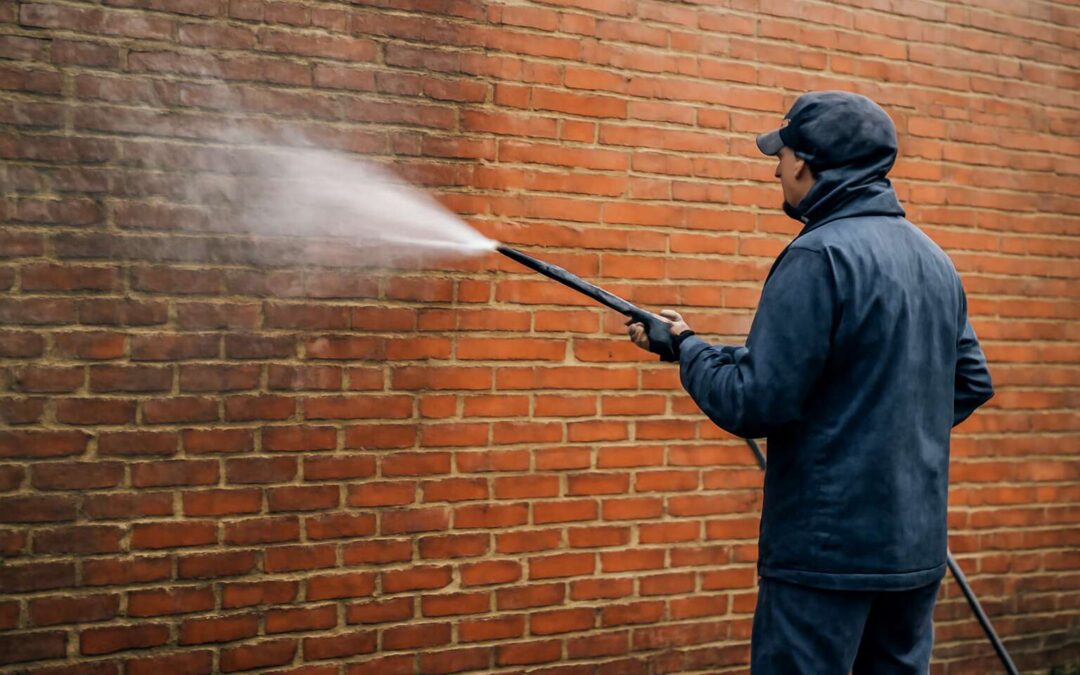
Brick wears its years like a badge, and a clean façade can transform a home’s first impression. “Brick remembers every season,” a seasoned South African mason notes, and it rewards careful care with lasting color. Brick cleaning fundamentals blend science with poetry: remove grime, efflorescence, and algae without cracking mortar. When done as part of pressure washing brick, the ritual becomes a careful dance of pressure and intent that reveals its warmth.
Core principles include:
- Assess brick type, porosity, and mortar before any wash
- Favor low-pressure methods and breathable cleaners
- Test on an inconspicuous area to gauge reaction
In South Africa, sun and rain sculpt colour quickly, so brick cleaning preserves durability and curb appeal. It becomes restoration, letting the surface speak with renewed warmth and character.
Common brick finishes and how they respond to cleaning
Sun-scorched and wind-worn, brick speaks softly when treated with care. Brick cleaning fundamentals hinge on matching method to finish, porosity, and mortar health. When pressure washing brick is applied, a whisper of water, not a roar of force, reveals warmth rather than wear.
Common brick finishes and how they respond to cleaning:
- Face brick, smooth, resists aggressive scrubbing but loves a gentle rinse to even color.
- Stock brick, porous, may wick moisture and efflorescence; needs breathable cleaners.
- Wire-cut brick, textured, invites grime in seams; needs careful, low-pressure travel.
- Glazed brick, sealed surface; avoid high pressure to prevent glaze damage; clean with mild cleaners.
With the SA climate in mind, choosing breath-friendly cleaners and low-pressure methods helps preserve color and mortar, letting brick resist seasons longer.
Typical contaminants found on brick surfaces
Across South Africa’s sunlit façades, brick keeps a diary in mineral whispers and weathered patina. The typical contaminants found on brick surfaces shape the story you tell when you clean it, from faint smoke halos to delicate salt blooms. Pressure washing brick, approached with care, reveals warmth rather than wear and lets color breathe again.
Common intruders to watch for include:
- Efflorescence — white salt blooms that travel with moisture
- Soot and smoke residues from fires and traffic
- Algae, moss, and lichens that cling to mortar joints
- Rust and mineral stains from water exposure
- Oil, grease, and graffiti residues from daily life
Recognising these intruders helps the craft stay true to mortar health and texture, letting seasons pass with dignity. Pressure washing brick remains a dialogue between patience and beauty.
Assessing brick condition before cleaning
Brick on South African facades carries the memory of sun and rain; across the country, up to 60% of brick façades reveal salt blooms within a decade. Assessing brick condition before cleaning is the compass that keeps the story honest. I look for mortar health, surface porosity, and any coatings or repairs that might alter how water behaves on the brick—because every face answers to its history when we begin to clean.
Consider these indicators to guide the process of pressure washing brick:
- Mortar integrity and joint movement
- Porosity and absorbency of the brick surface
- Existing sealants, paints, or coatings
- Evidence of previous repairs or spalling
With this awareness, the work respects texture and colour, letting the brick breathe again through a measured, patient approach.
Understanding risks and safety basics
Brick façades carry stories of sun and rain; in South Africa, up to 60% reveal salt blooms within a decade. The decision to rinse these memories free must be made with reverence, for water speaks differently to each brick, and risk hides in the crevices.
Understanding risks and safety basics is the compass. I treat hazards including fragile mortar, hidden damp, and electrical lines, all amplified by wind and sun—the practice of pressure washing brick demands patience. Protective gear and responsible monitoring keep the work honest and respectful of the structure.
- PPE and eye protection
- Recognize signs of mortar weakness and spalling
- Coatings on brick can change how water behaves
- Runoff management protects the surrounding environment
With patience, pressure washing brick can restore texture and colour while letting the brick breathe. The key is listening to the stone’s memory and proceeding with measured caution.
Choosing the Right Method for Brick Surfaces
Pressure washing vs soft washing on brick
Brick carries the weather’s secrets, and choosing the right method is no small rite in a South African dusk. Aimed properly, cleaning can restore grandeur; mishandled cleaning can bruise the mortar and dull the glaze. The difference between pressure washing brick and soft washing is not merely intensity—it’s temperament. High-pressure bursts can dislodge loose mortar and pull away sensitive finishes, while a gentler approach can coax years of grime from the surface without wounding it.
- Brick porosity and mortar joint condition
- Presence of paint, varnish, or delicate finishes
- Contaminants like algae or moss and the surrounding landscape
Ultimately, the method should feel like a fitting chapter in your building’s story—hard-witting where needed, tender where required. The craft of cleaning brick is a balance, and done well, it keeps the walls alive for decades.
Best practices for different brick types
Brick is more than a wall—it carries the weather’s memory. A sharp eye and the right method save façades and mortar alike. In the South African context, choosing the right method for brick surfaces hinges on temperament as much as force—pressure washing brick can be powerful, but it must be measured to avoid damage.
Best practices for different brick types include:
- Dense, modern clay bricks tolerate a firmer approach
- Soft, handmade, or historic bricks benefit from gentler methods
- Glazed or painted brick may reveal wear when abrasives are used
Contaminants such as algae or moss and the surrounding landscape influence method choice. The craft lies in balancing cleaning strength with brick porosity and mortar joint condition, preserving character while keeping surfaces clean.
Water temperature and PSI considerations
‘Measure twice, spray once,’ a rural bricklayer likes to say. In South Africa’s sun-warmed towns, water temperature and PSI decide whether brick remembers its weather or spends another season dirty. Too hot or too forceful can push mortar; a gentle rhythm protects both brick and joint.
When choosing the method for brick surfaces, keep these levers in gentle balance:
- Water temperature: start cool to warm; hot water can soften mortar.
- PSI: low to moderate for soft bricks; higher pressure only on stubborn growth away from mortar.
- Nozzle: wide spray and steady motion protect profiles while cleaning.
With patience, the technique honours brick’s history and delivers a clean facade that feels earned—this is the heart of pressure washing brick.
Chemical cleaners compatibility and usage
Brick remembers the seasons better than the trees; in South Africa’s sunlit towns, the first clean should honour its weathered poetry. A veteran bricklayer once whispered, “Clean with reverence, or the story fades.”
Choosing the right method for brick surfaces means pairing care with power. When planning pressure washing brick, evaluate chemical cleaners compatibility and usage—some formulas loosen grime without threatening mortar, others will stain, etch, or soften joints.
- Biodegradable, non-bleach cleaners with neutral pH
- Non-acid formulas for vulnerable mortar and finishes
- Spot treatments designed for stubborn grime on brickwork away from joints
In the end, the method should leave a facade that feels earned, not erased—a quiet testament to craft, and to the care that bricks remember. The goal is precise pressure washing without hurried aggression.
Situations to avoid aggressive cleaning
Choosing the right method for brick surfaces means balancing care with power. Aggressive cleaning isn’t always the answer; brick that bears seasons well rewards a gentler touch. When mortar is old or joints show wear, high PSI can crack or loosen a façade. For fragile finishes or historic façades, evaluate alternatives before turning up the nozzle—this is where pressure washing brick meets prudent restraint. Here in South Africa, sound cleaning respects the climate.
- Aging or deteriorating mortar joints
- Historic or decorative brick with soft mortar
- Recent repairs or painted brick surfaces
Avoid aggression when the brick feels soft, joints crumble, or recent repairs show through. The approach should respect the surface’s texture and history; done properly, pressure washing brick can restore character without erasing its history.
Equipment and Supplies for Brick Cleaning
Suitable pressure washers and accessories
Equipment and supplies for brick cleaning are the quiet gears behind any successful job. In the world of pressure washing brick, the right machine isn’t flashy—it’s precise, forgiving, and resilient. A reliable pressure washer, sturdy hoses, and a handful of trusted accessories turn a potential disaster into a controlled reveal of brickwork’s hidden character. The goal is steady, uniform results without etching mortar or blasting loose paint. Here, the gear must feel like an ally, not a daredevil.
- Pressure washer with adjustable PSI and adequate GPM
- Interchangeable nozzles or a fan spray for even cleaning
- Surface cleaning attachment to cover wide areas
- Long-reach wand or extension pole for hard-to-reach bricks
- Protective gear and compatible cleaning agents
Finally, keep a small inventory of detergents compatible with brick finishes and a spray bottle for pre-wetting stubborn stains. These supplies help ensure the job stays on the right side of restraint, letting you coax the material’s natural hues back to life without drama.
Nozzle selection and PSI ranges for brick
The right nozzle and PSI are the quiet backbone of brick cleaning. Not flashy, but precise—like a tailor with a power washer. A measured touch, not a demolition derby, keeps brick looking honest and intact.
For South Africa projects, start with 600–1000 PSI and a 25-degree fan nozzle for broad, even cleaning. If stubborn grime or paint flecks linger, push to 1000–1500 PSI or switch to a 15-degree for localized spots—always test on a hidden patch first. This is where pressure washing brick earns its keep in real-world conditions.
- 15-degree nozzle for tough patches
- 25-degree fan nozzle for even coverage
- 40-degree or wider for delicate areas near mortar
- Surface cleaning attachment for wide swaths
- Long-reach wand or extension pole
- Detergents compatible with brick finishes and a spray bottle for pre-wetting
With this gear, pressure washing brick stays controlled and respectful of the material’s natural hue.
Cleaning solutions and eco-friendly options
Equipment and supplies for brick cleaning form the quiet orchestra behind a surface that gleams without shouting. In South Africa, green-minded crews favor biodegradable cleaners and phosphate-free formulas that respect brick’s mineral heart. From sturdy spray bottles to extended wands, the right gear makes pressure washing brick feel like a careful craft—efficient, safe, and true to texture. Stewardship wears a practical chassis, turning every job into a respectful collaboration between man, brick, and weathered hue.
- Plant-based, biodegradable cleaners
- Phosphate-free, masonry-safe detergents
- pH-neutral options for delicate finishes
- Long-reach wands and compatible fittings
- Protective gloves and eye protection
- Absorbent mats and spill containment
Such a kit honors the material’s story while keeping environments clean and compliant, ready for the next chapter of brick’s weathered brilliance.
Safety gear and fall protection
The quiet backbone of any brick cleaning job is safety gear. For pressure washing brick, the toolkit is a shield that lets you read the brick’s grain without flinching at spray and wind. In South Africa’s sun and wind, gloves, goggles, and a reliable hard hat guard the hands, eyes, and crown, while non-slip boots plant each cautious step. When the ladder climbs higher, fall protection—harness and anchor—becomes a chorus that steadies motion with grace.
- Protective gloves
- Safety goggles
- Hard hat
- Non-slip boots
- Full-body fall-arrest harness
- Secure anchor points and a lanyard
With this gear, crews move through the day like careful conductors, letting the brick reveal its quiet brilliance.
Preparing the work area and protecting adjacent surfaces
In a job where precision meets the harsh SA sun, the prep zone sets the tempo. For pressure washing brick, the right setup begins with shielding the stage—drop sheets, painter’s plastic, and masking film ready to guard windows, doors, and nearby garden beds from overspray. A quick sweep of the perimeter also houses waste containment and runoff planning, essential on porous brick where moisture lingers and dust rides the breeze.
- Drop cloths and plastic sheeting
- Painter’s tape and masking film
- Tarps or sandbags for runoff control
- Protective edge guards and splash shields
- Waste containment bags and silt socks
- Tools for quick surface protection and clean-up
With a calm, guarded perimeter, teams work faster and cleaner, even under South Africa’s sun and wind. Pressure washing brick benefits from this disciplined approach, turning a potentially messy refresh into a controlled, respectful revival of masonry for property owners and neighbors alike.
Disposal and environmental considerations
Disposal and environmental respect are as vital as the wand and nozzle. For pressure washing brick, safeguarding stormwater, using licensed waste carriers, and choosing eco-friendly cleaners matter in every job, especially under the South African sun.
- Containment systems and filtration to capture runoff and sediments before they reach drains
- Licensed waste disposal arrangements and proper documentation for audit trails
- Secure storage for used solutions in sealed, clearly labeled containers
- Environmental monitoring for potential impacts on porous brick and nearby soil
A calm, compliant setup keeps neighbours onside and reduces rework, turning a routine rinse into a responsible refresh that respects local regulations and the landscape of SA homes.
Prep, Technique, and Safety Protocols
Site assessment and weather planning
Prep: A clean brick façade can lift curb appeal by up to 25% in a single glance, a punchy reminder of how much a plan matters. In South Africa, we map sun exposure, moisture pockets, and drainage before any wash, ensuring the surface is primed for pressure washing brick.
Technique: The aim is even, respectful cleaning—moving the nozzle, sampling a small area, and letting the brick breathe. We weigh brick finishes and porous textures to guard mortar and avoid pitting, while weather and light winds in SA shape the pace and rhythm of the work.
Safety Protocols: Site assessment and weather planning are non-negotiable. We survey for loose debris, check access points, and coordinate with neighbours. Forecasters and humidity patterns guide scheduling, postponing when rain or heavy dew threatens safety, protecting workers and the surrounding environment.
Protecting plants, windows, and mortar joints
Prep lays the groundwork for pressure washing brick. A clean façade boosts curb appeal in an instant, and in SA we map sun exposure, moisture pockets, and drainage before a wash. We prime the surface and protect nearby plants and windows from stray spray.
Technique aims for even, respectful cleaning. We move the nozzle methodically, test a small area, and let brick breathe between passes. Finishes and porosity dictate pace to guard mortar joints and avoid pitting, while SA winds shape rhythm.
Safety Protocols keep the site sound. We survey for loose debris, check access, and coordinate with neighbours. Weather patterns guide scheduling; rain or heavy dew delays help keep workers and the environment safe. Protecting plants, windows, and mortar joints is non-negotiable.
- Protect plants and landscaping
- Shield windows and frames
- Guard mortar joints and brick edges
Cleaning technique: soft wash vs rinse approach
In SA, pressure washing brick can boost curb appeal by up to 10%, when prep sets the stage. Prep shapes the process: sun exposure, moisture pockets, drainage. Surroundings shielded with plants and windows; brick breathes as the facade awakens.
Technique balances gentleness with effectiveness. Soft wash uses detergents and low pressure to lift grime, preserving porous brick; the rinse approach delivers controlled water to flush residues. This duet is chosen by finish and porosity.
- Soft wash benefits: gentle on mortar and eco-friendly
- Rinse benefits: thorough removal for tougher soils
Safety Protocols keep the site sound. Loose debris are surveyed, access checked, neighbours coordinated. Weather and wind guide scheduling; protecting plants, windows and mortar joints remains non-negotiable as the brick is renewed.
Rinsing, drying times, and avoiding water intrusion
In South Africa’s sun-warmed suburbs, prep is the quiet overture to renewal. When pressure washing brick, you set the stage by assessing sun exposure, moisture pockets, and drainage, ensuring the process breathes rather than blasts to life.
Technique must balance gentleness with effectiveness. The rinse approach, paired with selective soft washing, guides how water and cleaners kiss the brick. Rinsing releases residues, while drying times are planned to prevent water intrusion on joints.
Safety protocols keep the site sound. Survey loose debris, confirm access, and coordinate with neighbours. Weather and wind steer scheduling; guarding plants, windows, and brick joints remains non-negotiable as the facade awakens.
Common mistakes and how to prevent them
Prep is the quiet overture to renewal. In South Africa’s sun-warmed suburbs, assess sun exposure, moisture pockets, and drainage. Secure access, shield nearby plants, and stage the area so the brick breathes.
Technique must balance gentleness with effectiveness. The rinse approach and selective soft washing guide how water and cleaners kiss the brick: pressure washing brick should feel like rain on a hot day—refreshing, not blasting. Rinse away residues and respect drying.
Safety protocols keep the site sound: clear loose debris, confirm access, and coordinate with neighbours. Weather and wind steer scheduling; guard plants, windows, and mortar joints with care. Common mistakes—rushing, neglecting drainage, overlooking shade—fade when you pause and shield.
- Rushing the process — prevent: pause to observe drainage and shadows.
- Ignoring vulnerable joints or moisture pockets — prevent: inspect and protect these zones.
- Forgetting neighbour or plant protection — prevent: establish containment and communication.
Maintenance, Budget, and Hiring Guidance
Cost ranges for brick cleaning projects
Maintenance after pressure washing brick matters. Regular touch-ups keep bricks bright and prevent staining. Check mortar and seals for cracks, reseal every 3–5 years, and keep gutters clear so water drains away. Gentle cleaning protects the surface and your investment.
Budget for brick cleaning varies. In South Africa, expect about R60–R180 per square metre, depending on brick type and access. A typical home job might run R4,000–R12,000; larger or heavily soiled surfaces can reach R15,000 or more. These figures cover cleaning only, not repairs.
- Licensed and insured contractor
- Written, itemized quote
- References and before/after photos
- Clear safety plan and timelines
DIY pros and cons vs hiring a pro
Maintenance after pressure washing brick matters. I like a gentle rhythm: light touch-ups, resealing every 3–5 years, and keeping gutters clear so water dances away from mortar. When done with care, the bricks glow and your home feels protected.
Budgeting for brick cleaning in South Africa varies by brick type and access. Expect roughly R60–R180 per square metre, with a typical home job around R4,000–R12,000; larger or heavily soiled surfaces can reach R15,000 or more. This covers cleaning only, not repairs.
DIY pros and cons vs hiring a pro shape the decision. DIY can save money and teach you about your brick, but safety risks and equipment gaps loom large. A pro brings experience, safety plans, and guarantees—worth every rand. Common hallmarks of reputable pros include:
- Licensed and insured contractor
- Written, itemized quote
- References and before/after photos
- Clear safety plan and timelines
Post-cleaning protection: sealants and maintenance
Maintenance after pressure washing brick is a quiet ritual. I favor a gentle rhythm—light touch-ups, resealing every 3–5 years, and clear gutters so water dances away from mortar. Done with care, the brick glows and your home feels protected.
In South Africa, brick cleaning costs vary with brick type and access. Expect roughly R60–R180 per square metre; most home jobs fall into the R4,000–R12,000 range, with larger or heavily soiled surfaces reaching R15,000 or more. These figures cover cleaning alone, not repairs.
When it comes to post-cleaning protection, sealants offer a shield against the elements and lingering staining. A professional can advise on sealant type and reapplication intervals, tailored to SA’s climate. Maintenance then becomes a partnership—timely checks, gutter upkeep, and periodic evaluations to keep mortar joints breathing easy. That attention is what makes pressure washing brick feel timeless.
Timeline and project planning tips
Maintenance follows the glow of a freshly cleaned brick. The long view favors quiet, regular assessments that keep pressure washing brick looking steady. In SA’s climate, timely checks protect mortar and flashing, letting colour and texture breathe with the seasons.
Budget planning should look beyond the initial clean. In SA, factor ongoing upkeep—sealants, gutter maintenance, and occasional mortar checks—into a multi-year plan rather than a single invoice.
- Set aside a maintenance reserve for reseal intervals (every 3–5 years)
- Budget for gutter upkeep and water drainage assessments
- Include a contingency for weather or access-related delays
Timeline and contractor selection should be purposeful: allow for lead time to gather quotes, check references, and schedule around rain. Require evidence of insurance, clarity on scope, and a broad project window to avoid rushed decisions.
Waste disposal and environmental compliance
Maintenance follows the glow of a freshly cleaned brick; in SA’s climate, quiet, regular checks guard mortar and flashing from seasonal stress. I’ve learned to let colour breathe by timely reseals and avoiding aggressive overspray. Pressure washing brick is part of a ritual, not a rush—steady, thoughtful repetition keeps the façade honest.
Budget planning should extend beyond the first clean. Set aside a maintenance reserve for reseal intervals (every 3–5 years), factor gutter upkeep and drainage checks, and build in a weather contingency. When you approach pressure washing brick with a multi-year lens, you protect curb appeal and long-term performance.
Hiring guidance and waste disposal: choose a contractor who shows insurance, clarity on scope, and environmental responsibility. Ensure wash-water is contained and disposed of according to local guidelines. Quick checklist:
- Contain wash-water to prevent runoff.
- Dispose per SA environmental regulations.
- Keep disposal records for compliance.
