
Understanding High-Pressure Air Cleaning Equipment
What is this tool and how does it work
In South Africa’s workshops, clean equipment decisions translate into real performance gains. A high pressure air cleaning gun acts as a quiet force, turning ordinary air into a precise cleaning ally. It uses compressed air to blast dust and debris from machinery, tools, and stubborn crevices.
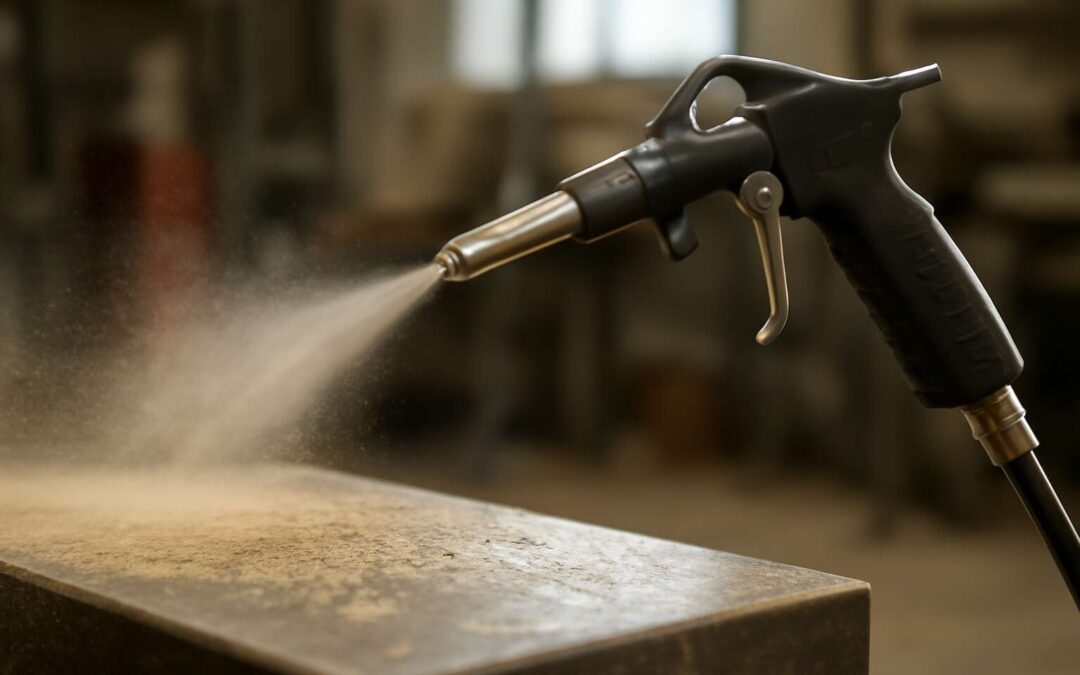
Understanding what this tool is and how it works reveals its gentle science: a regulated nozzle, a trigger, and a compressor feeding the jet with controlled airflow and pressure. The blast dislodges particles without touching delicate surfaces, letting you reach corners that a broom cannot.
Key features that align with South African workshop needs:
- Flexible attachments for varied tasks
- Durable materials designed for rugged environments
As a result, teams keep gear ready and environments safer, with less wear from abrasive dust.
Core components and operating principle
In a bustling South African workshop, the edge goes to the clean-cut where air becomes a tool. The truth sneaks in: a high pressure air cleaning gun isn’t loud chaos—it’s a whispering jet that snatches dust from tight corners. “Clean air is the engine of longevity,” says a seasoned fitter, and he’s right.
- Regulated nozzle that constrains the jet for precise cleaning
- Trigger mechanism for control
- Compressor feed with a regulator and gauge
- In-line filtration and safety shutoff
- Durable hose and couplings designed for rugged environments
Operating principle: The compressor feeds air, the regulator meters flow and pressure, the nozzle shapes the jet, the trigger releases the blast; pockets and crevices yield to the focused air without scraping surfaces. This is how the tool keeps gear ready and environments safer, with dust staying where it belongs.
Performance range and limitations
Dust doesn’t negotiate, a seasoned fitter notes. In a bustling South African workshop, the high pressure air cleaning gun becomes a quiet ally—delivering a focused jet that brushes dust from tight corners without marring metal. Performance sits on a knife-edge: too little force, and grit clings; too much, and surfaces risk marks. For many tasks, 60–110 psi hits the sweet spot, with the nozzle and regulator guiding the blast.
Key performance factors include:
- Air supply consistency and regulator accuracy
- Nozzle size and wear on the orifice
- Hose length and inline filtration that prevent pressure drop
- Environmental conditions such as temperature and dust load
Limitations and boundaries: the tool is not a cure-all for delicate finishes, and moisture or oil in the line can sap power. Surface sensitivity, abrasive contamination, and noise are real constraints that shape how far the high pressure air cleaning gun can go in any given setting.
Suitable materials and surfaces
Every bustling South African workshop has its quiet heroes, and the high pressure air cleaning gun is among them. It arrives with a precise, focused jet that clears dust from tight corners without marring metal. When lines of rivets gleam and inspections loom, the tool feels almost magical—a nimble ally that keeps surfaces sharp and workers happily navigating corners with confidence.
Understanding suitable materials and surfaces helps optimize its use:
- Bare metal and machined components that benefit from a quick, targeted blast
- Powder-coated panels and painted finishes where surface integrity matters
- Castings and softer alloys that tolerate localized force without deformation
- Polished or exposed surfaces where a streak-free result is desired
Environmental conditions such as temperature and dust load, plus the presence of moisture or oil in the supply, will shape outcomes in any workshop in South Africa. The setting matters as much as the tool, guiding what it can gracefully sweep away and what should be left alone.
Advantages and potential drawbacks
Every South African workshop battles a stubborn foe: dust. The high pressure air cleaning gun, wielded with care, becomes a swift ally in that war. Its precise, focused jet sweeps gleaming rivets and tight corners clean, turning potential inspection headaches into moments of clarity. A mentor once declared, “Dust is the silent adversary of precision”—and this tool lives that claim.
- Precise cleaning in tight spaces without touching the surface
- Fast debris removal reduces downtime between production steps
- Non-abrasive, preserving delicate finishes while restoring shine
Yet the tool isn’t magic. Drawbacks include potential surface marring if misused, reliance on clean, dry compressed air, and noise that demands hearing protection. In dusty environments, moisture or oil can cloud results and shorten tool life, reminding teams to balance power with care.
Key Features and Benefits of Industrial Air Cleaning Tools
Primary specifications to compare
Clean air, clear results. A recent South African industry survey suggests cleanup times can fall by as much as 40% with the right high pressure air cleaning gun. In workshops across the region, that difference feels almost existential—dust exposes what matters, and precision tools illuminate it with quiet, steady force.
Key features and benefits converge in balance, control, and durability. When comparing primary specifications, consider:
- Operating pressure range (PSI/bar)
- Air consumption (CFM)
- Nozzle types and sizes
- Weight and ergonomic grip
- Hose length and coupling versatility
- Build material and corrosion resistance
- Safety features (trigger lock, exhaust protection)
Beyond speed, practical advantages include surface protection, reduced secondary wear, and greater uptime. In sectors from mining to manufacturing, reliable cleaning curbs contamination and supports safer, more consistent results—precisely the mix of practicality and conscience that keeps operations thriving in South Africa.
Durability and material compatibility
A South African industry survey shows cleanup times can drop by up to 40% when a high pressure air cleaning gun is paired with steady workflow—dust quakes, tools shine. Durability isn’t a luxury; it’s a baseline, because in scorching workshops and damp mines, reliability keeps production tactile and predictable.
Durability and material compatibility sit at the core. Bodies in stainless steel or hard-anodized aluminum shrug off dust, moisture, and solvent residues, while reinforced polymers cushion drops and vibrations. Seals and coatings resist corrosion in harsh environments, so the tool stays precise without nightly calibration rituals.
- Corrosion resistance across solvents and humidity
- Impact and drop tolerance for busy shop floors
- Thermal stability and long-life seals
Efficiency gains and productivity improvements
Take a moment on a South African shop floor and you’ll hear the clatter of quick, careful cleaning that keeps lines moving. Cleanup times can drop by up to 40% when a steady workflow meets the tool—the high pressure air cleaning gun. It’s not just power; it’s reliability turned into daily productivity.
Key features that drive that performance are designed for long shifts and busy benches:
- Ergonomic grip and balanced weight for all-day use
- Adjustable nozzle and trigger control for precise blasts
- Corrosion-resistant seals and rugged body for harsh environments
With efficient debris removal and fast cycle times, teams see tangible efficiency gains and productivity improvements across manufacturing lines, transforming how dwell time on equipment translates to output.
Safety mechanisms and operator protection
On bustling South African shop floors, a single truth rings clear: “Protection is productivity.” The high pressure air cleaning gun isn’t just a tool; it’s a compact guardian that keeps lines moving while slips and drips are banished. Rugged yet refined, it belts out controlled bursts that respect operator comfort and surrounding equipment, turning daily cleaning into a reliable ritual rather than a rush of risk.
Key safety mechanisms and operator protections include:
- Interlock-trigger systems that prevent unintended bursts
- Ergonomic, non-slip grips and balanced weight for fatigue-free use
- Corrosion-resistant seals and rugged housings that endure harsh environments
- Exhaust and nozzle shielding to minimize debris deflection
With these safeguards, teams experience steadier cycles and reduced exposure to dust and debris, translating into cleaner equipment and a safer workday for South African crews. The concept of control—over power, over endurance, over risk—becomes a daily advantage when choosing the right tool for the job.
Noise, vibration, and ergonomics
On busy South African shop floors, progress moves to a steady rhythm. The high pressure air cleaning gun is more than a tool; it’s a companion that channels air with precision, delivering controlled bursts that sweep dirt without a commotion. Its balance and grip are crafted to comfort the hand, letting operators work longer without fatigue while nearby equipment stays undisturbed.
- Quiet operation with noise-dampening features for calmer workshops.
- Vibration-damping handles and balanced weight for fatigue-free use.
- Ergonomic, non-slip grips that boost control in demanding conditions.
- Rugged, corrosion-resistant housings built to endure dusty environments.
With these benefits, the tool becomes a reliable ally—less strain, less debris in the lungs, more cycles completed per shift. The flow of work stays smooth, not jolted by harsh vibrations or awkward handling.
Applications Across Industries and Environments
Automotive and manufacturing applications
In the ledger of modern workshops, cleanliness is currency, and the high pressure air cleaning gun is its wind-swept scribe. A precise jet sweeps away stubborn dust from engines, assemblies, and painted surfaces, turning potential defects into footnotes of the past. It speaks the language of efficiency with a thunderous whisper, shortening downtime and boosting throughput.
Across industries and environments, the range stretches from gleaming automotive bays to rugged field service.
- Automotive assembly lines and body shops
- Manufacturing floors, tooling, and heavy equipment maintenance
- Electronics, precision components, and clean-room contexts
In South Africa, this versatility helps keep production calendars intact and facilities safer.
Electronics and precision cleaning
Across South Africa’s electronics workshops, every micron of dust matters. A single speck can blur a microchip or misalign a lens, and industry voices note that clean, controlled cleaning translates to fewer reworks. “Cleanliness is the heartbeat of precision,” echoes a seasoned technician from Joburg.
- PCB assemblies and interconnects
- Optical lenses and sensors
- Clean-room components and enclosures
Enter the high pressure air cleaning gun, delivering focused jets that lift debris from PCB assemblies, sensors, and optical surfaces without contact. Its calibrated bursts protect delicate finishes while keeping chambers pristine.
From urban hubs to rural production sites, the tool stacks up where fragile components demand careful dust removal. In SA, that means smoother lines, safer maintenance, and a reputation for reliability that travels beyond borders.
HVAC ductwork and facility maintenance
Dust is the silent saboteur of airflow. A Johannesburg facilities manager recently said, “Dust costs us time and energy.” Across SA, dusty ducts can curb performance, with estimates suggesting airflow losses of up to a third when vents hide in plain sight. In this quiet war, every speck matters.
Across industries and environments, the high pressure air cleaning gun dislodges dust from HVAC ductwork, sensor housings, and enclosure seams without contact, preserving finishes and preventing re-entrainment into intake paths.
- Data centres and server rooms
- Hospitals, clinics, and pharmaceutical facilities
- Manufacturing floors and logistics hubs
From urban complexes to rural processing sites, the tool keeps airflow clean and maintenance predictable, turning downtime into steady production. In SA, it’s a reliable, safer option for facility upkeep—almost like a quiet ally in the ducts.
Workshop, hobby, and DIY scenarios
Dust stacks up fast in workshops and DIY spaces, slowing work and dulling finishes. The high pressure air cleaning gun delivers a focused blast that dislodges stubborn dust without touch, preserving surfaces while speeding clean-up.
Applications across workshops, hobbyist sheds, and DIY maintenance span several scenarios:
- Woodworking shops and maker spaces cleaning dust from tool rests, blades, and work surfaces
- Automotive hobbyists tidying dashboards, vents, and small components in DIY car projects
- Small-scale manufacturing benches and hobbyist labs maintaining clean sensor housings and enclosure seams
Across SA’s urban and rural workshops, the tool keeps air clean and projects moving—quiet, efficient, and ready for the next task.
Outdoor and environmental cleanup tasks
Across South Africa’s diverse landscapes, outdoor work meets grit head-on. Dust and grit cling to equipment, sheds, and solar panels, chewing into productive time; in SA workshops, dust costs hours weekly. The high pressure air cleaning gun delivers a precise, powerful blow without collateral damage, keeping projects moving even in windy conditions.
Outdoor and environmental cleanup tasks span farms, building sites, and municipal spaces. From clearing dust on trailer surfaces to refreshing garden tools and external signage, this tool proves its worth in real-world conditions. Use it to sweep patio furniture, vent housings, and outdoor machinery with confidence while safeguarding finishes and seals.
- Blowing dust from solar panels
- Refreshing garden tools and trailers
- Clearing debris from outdoor signage
The result is a cleaner environment that supports smoother workflows from the Karoo to the coast, reminding us that maintenance is a quiet form of progress.
Buying Guide for High Pressure Air Cleaning Equipment
How to select by performance needs and reliability
In a busy workshop, dust is the uninvited co-worker that sips your productivity. A maintenance supervisor once quipped, “If it blows the dust away, it earns its keep.” That blunt truth sits at the heart of buying decisions for a high pressure air cleaning gun: you want reliability paired with real performance, especially in South Africa’s rugged facilities.
Performance levers to weigh include flow, pressure range, nozzle options, and build quality. Reliability hinges on sealed components, corrosion resistance, and easy maintenance. Consider how readily spare parts and local service are available to keep downtime to a minimum.
- Flow and pressure match your tasks
- Durable materials and easy maintenance
- Spare parts availability and local service
When these factors align, the high pressure air cleaning gun becomes a dependable generalist across workshops, factories, and facilities—quiet, controllable, and ready to move projects forward.
Brand tiers and product recommendations
Brand tiers for high pressure air cleaning equipment help balance upfront cost against uptime. In South Africa, a solid mid-range option often wins, offering robust housings and a wider spare-parts network while guarding against surprise downtime.
Shopping by tier keeps choices focused. Consider these archetypes:
- Entry-level: affordable, straightforward maintenance, good for light tasks.
- Mid-range: rugged build, broader nozzle options, solid local support.
- Premium: sealed, corrosion-resistant bodies, extended warranties, fastest local service networks.
Warranty terms, local service availability, and predictable maintenance intervals influence the total cost of ownership. The right tool integrates seamlessly into daily workflows, quietly turning stubborn dust into history.
Useful accessories and nozzle configurations
Buying the right equipment isn’t just about price; it’s about reliability and uptime. In South Africa, a thoughtful accessory kit keeps downtime down and service life solid. A reliable high pressure air cleaning gun becomes easier to wield when paired with the right nozzle configurations and a compact regulator.
- Extension wands for reach
- Inline moisture separators to prevent water in lines
- Interchangeable nozzle sets: straight, fan, angle
- Quick-connect fittings and hose reels for organization
Nozzle configurations decide how effectively you apply blast power. Straight tips focus a tight jet for electronics and precision work; fan tips cover flat surfaces; angled tips reach recessed corners; rotary nozzles tackle stubborn dust in bulk.
Warranty, service support, and spare parts
In South Africa, a robust warranty and accessible service support act as a shield against downtime when you rely on a high pressure air cleaning gun for critical tasks. Look for clear terms, a minimum 12-month coverage on the main components, and transparent policies on wear parts and accidental damage. Warranty is not ornamental—it protects uptime, productivity, and resale value.
- Comprehensive warranty terms and duration
- Local service network and rapid response times
- Spare parts availability and lead times
Beyond warranty, verify after-sales support, calibration resources, and factory-authorized service centers across the region. A distributor with local technicians and a stocked spare parts ecosystem for your high pressure air cleaning gun minimizes downtime and keeps performance at peak levels.
Budgeting, total cost of ownership, and ROI
‘Uptime is the new currency,’ a shopfloor veteran once told me, and that line sticks. When budgeting for a high pressure air cleaning gun, I look beyond the sticker price. In South Africa, total cost of ownership matters as much as performance, from maintenance cycles to energy use and compatibility with existing systems. Every rand invested has to earn its keep!
Factors to weigh include:
- Upfront investment versus expected downtime savings
- Spare parts availability and service access in your region
- Consumables and routine maintenance over the tool’s life
- Training requirements and time to reach peak performance
I’ve seen teams unlock ROI by shortening production cycles, reducing rework, and protecting precision components—the payoff is often visible in weeks rather than years. When chosen with total cost of ownership in mind, the high pressure air cleaning gun becomes not just a tool but a strategic safeguard for uptime.
Maintenance, Safety, and Best Practices
Routine maintenance and cleaning procedures
In bustling South African workshops, productivity hinges on preventive care. The high pressure air cleaning gun rewards vigilance with consistent performance, yet neglect can dull edges and degrade finish in minutes. A quick check of fittings and nozzle wear keeps workflow pristine.
Always wear eye protection, gloves, and hearing protection; never point at colleagues; bleed off pressure before servicing; store with the nozzle covered; minimize moisture ingress in the air system.
Best practices flow from a simple routine: wipe residues, inspect seals and threads for corrosion, and track nozzle wear; a dry, dust-free environment preserves accuracy; and when in doubt, defer to the manufacturer’s service schedule.
Personal protective equipment and safety protocols
In the rhythm of bustling South African workshops, maintenance becomes a guardian of peak performance for the high pressure air cleaning gun. Focus on system integrity, seals, and the air circuit to keep delivery stable, moisture out, and surfaces pristine.
Safety remains non negotiable: PPE is essential, and a calm respect for pressure preserves teams and tools alike. Eye protection, gloves, and hearing protection are standard; never aim at colleagues; store with the nozzle capped and out of reach when not in use.
Best practices and personal protection weave a simple, durable routine. Consider these essentials:
- Eye protection, gloves, and hearing protection
- Respect for the tool’s pressure and designated work area
- Regular inspection of fittings, seals, and corrosion-free surfaces
Filtration, moisture control, and air supply quality
Maintenance starts with a disciplined routine around filtration, moisture control, and air supply quality for the high pressure air cleaning gun. Keep the air circuit clean, drain condensate, and verify hoses and fittings remain corrosion-free to preserve stable delivery and pristine results on every job.
Safety remains non negotiable. A calm respect for pressure guides every move, with a clearly defined work zone and routine checks that catch wear before it harms performance. By keeping surfaces smooth and seals intact, the tool stays reliable under demanding shifts.
Best practices integrate simple, durable steps that extend equipment life and keep outputs spotless.
- Inspect and tighten connections; replace worn seals before they fail
- Configure and test moisture control, condensate drainage, and filtration efficiency
- Verify the air supply remains dry, clean, and within spec before operation
Handling, storage, and transport considerations
A well-tuned high pressure air cleaning gun breathes like a tool that respects itself, turning hard work into quiet precision. In the South African workshop, downtime becomes rare when routine checks become ritual. ‘Maintenance is the quiet engine of performance,’ reminds a seasoned technician.
Best practices for handling, storage, and transport begin with a cool, dry corner; the gun rests within a tidy, designated space, lubricants suitable for moving parts accompany it, and nozzle wear hints at its story rather than alarm.
Safety remains the guiding star: depressurization, zero pressure before any tweak, a clear work zone, and eye and hearing protection whenever the high pressure air cleaning gun is live; these rituals keep operator and tool in balance.
- Dedicated transport case to protect the gun
- Dry, dust-free storage away from heat
- Secure transit with proper fasteners
Common issues and troubleshooting steps
The maintenance of a high pressure air cleaning gun is the quiet heartbeat of a South African workshop, where routine checks keep downtime rare. Store it in a cool, dry corner, oil moving parts with manufacturer-approved lubricant, and inspect the nozzle and fittings for wear before they tell their own story.
Safety as compass: depressurize fully before any tweak, maintain a clear zone, and keep eye and ear protection in reach when the gun is live.
Best practices and common issues: In field reports, operators notice nozzle wear, air leaks, moisture in lines, and inconsistent pressure.
- Nozzle wear impacts spray pattern.
- Leaks at fittings or hose connections.
- Moisture or rust in the line reduces performance.
- Fluctuating pressure hints at blockage or filter issues.
