
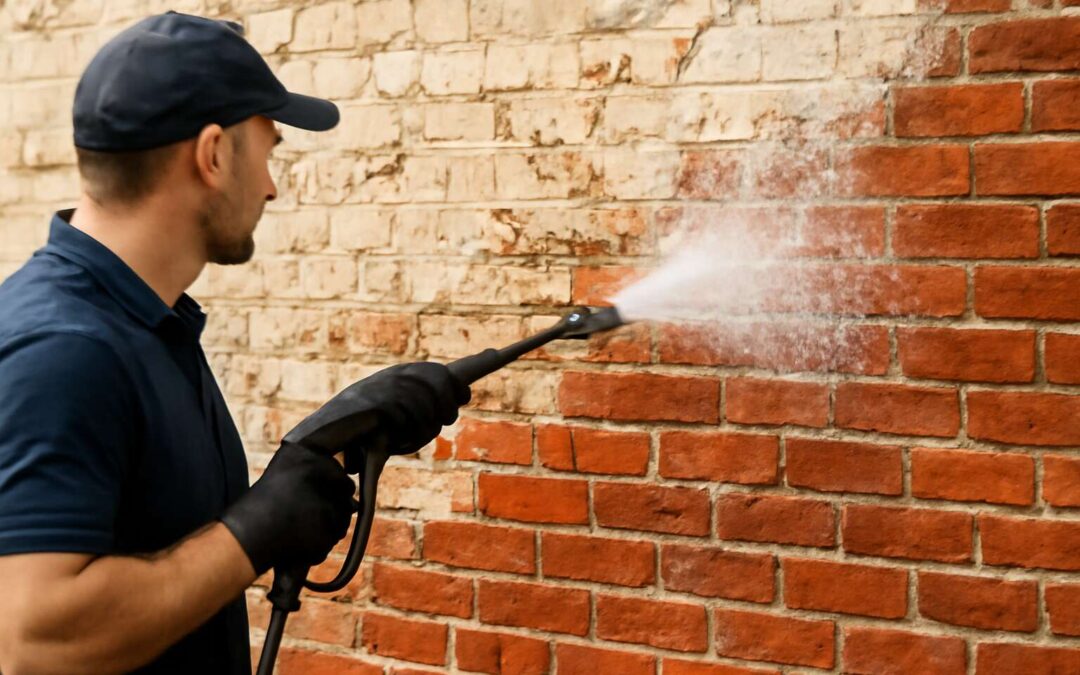
Assessing Brick Paint: Feasibility and Prep
0 – Brick types and porosity considerations
Brick breathes; paint can choke that breath! Assessing will pressure washing remove paint from brick feasibility hinges on brick type and porosity, plus paint age and previous coatings. This initial check guides whether a project should proceed under any pressure-based plan.
- Brick types: solid clay, engineering bricks, handmade or reclaimed bricks—each with distinct porosity.
- Porosity indicators: high absorbency vs dense surfaces affect how coatings cling and how moisture moves.
- Surface condition: existing cracks, mortar status, and lime efflorescence signal prep needs.
In South Africa, climate and exposure shape these factors, so an informed evaluation becomes essential before any prep decision is made.
1 – Paint adhesion levels and common formulations
Across South Africa’s sun-burnished facades, painted brick often reveals pigment fade and micro-cracking within five years. That truth makes every assessment a careful stakeout, balancing brick breath against a stubborn coating. Assessing paint adhesion levels and common formulations is the opening act in feasibility, guiding whether the project should move forward under any pressure-based plan. I read wall texture, age, and condition, from lime efflorescence to mortar status, against the climate’s fickleness.
Adhesion levels swing with formulation and environment. Common paints on brick include acrylics, elastomerics, and lime-based coatings; some cementitious layers age with a chalky bloom. A loaded question many clients ask is: will pressure washing remove paint from brick? The answer depends on bond tenacity, age, and any prior coatings I’ve seen on local projects.
2 – Weathered surfaces and moisture risk
Weathered surfaces on South Africa’s sun-burnished brick carry the stories of seasons—heat, rain, and the slow march of time. Moisture risk is the quiet influencer, seeping through mortar and brick’s pores, nudging micro-cracks and salt blooms that weaken paint bonds. Assessing readiness means reading the wall’s breath before any plan gains momentum.
- Visible dampness and salt blooms
- Hairline cracks guiding moisture paths
- Mortar joints showing softness or crumbling
The perennial question remains: will pressure washing remove paint from brick? The answer hinges on bond tenacity, coating age, and what lies beneath. A quick survey of porosity and prior coatings helps map how moisture travels across the façade.
Patience in prep speaks louder than brute force against weathered brick.
3 – Conducting test patches and documenting results
Across South Africa’s sun-burnished brickwork, a striking statistic lingers: up to 62% of painted facades reveal moisture-driven flaws within a decade. Assessing feasibility begins with listening to the wall’s breath, not overpowering it with brute force. Conducting test patches and documenting results becomes the quiet compass that separates confident plans from costly misreads. When the question arises, will pressure washing remove paint from brick, the answer hides in the patch’s verdict and the wall’s response to moisture.
- Choose patches on representative areas mirroring typical porosity and coating age.
- Note immediate texture changes, lift, or chalk after moisture exposure.
- Photograph and timestamp outcomes to build a visual baseline.
The records become a map of resilience, translating damp signals into a language the client understands. We read the wall’s temperament with patient curiosity. In the SA context, this reduces waste and preserves heritage while guiding the feasibility of any cleaning approach.
Pressure Washing Fundamentals for Brick Surfaces
0 – Choosing the right pressure range and nozzle for brick
Brick has character and a stubborn bite to its surface; one brutal jet can erase more than paint—perhaps a little mortar, too. For readers curious, will pressure washing remove paint from brick? The answer rests on choosing a suitable pressure range and the right nozzle, plus a healthy respect for texture.
Fundamentally, the footprint matters more than sheer velocity. Favor broad spray patterns over tight jets, and consider nozzles that maximize surface coverage without hammering the surface. The goal is to balance cleaning power with the brick’s porosity and the paint adhesion profile you’ve already considered.
Consider these broad principles:
- The spray footprint influences risk to edges and mortar.
- Nozzle design shapes how much surface area is addressed per pass.
- Moisture management and weathering inform expectations about outcomes.
Here in South Africa, the sun and seasonal rains reward a measured, courteous approach to brickwork—where elegance of finish outshines bravado.
1 – Detergents and cleaners compatible with brick substrate
Brick remembers every wash, and the SA sun makes moisture management a real art. Will pressure washing remove paint from brick? The answer rests on cleaners that respect the brick’s pores as much as the stain itself.
Choose detergents with a neutral to mildly alkaline pH, low-foaming formulas, and surfactants that lift residues without attacking mortar. Avoid harsh acids or chlorine boosters that can degrade brick over time. The right cleaner helps the paint release in layers rather than gouging the substrate.
- Neutral pH, brick-friendly detergents
- Low-foaming formulas to reduce oversaturation
- Surfactants that lift paint without aggressive abrading
Detergents and cleaners compatible with brick substrate aren’t an afterthought; they shape the future of painted brick across South Africa with elegance, rather than bravado.
2 – Water intrusion and moisture management
Water is the patient, the quiet architect of brick. A veteran South African mason whispered, “Moisture is the quiet architect of brick decay.” The pores and rain choreograph the story of every façade. When water meets brick, the real work is managing intrusion—keeping the pores balanced so cleansing doesn’t flood the surface.
- Porosity and capillary action
- External moisture sources: rain, dew, rising damp
- Sun exposure and drying cycles that drive moisture in and out
Readers often wonder will pressure washing remove paint from brick, and the answer rests on moisture management rather than bravado. The brick remembers every wash, so memory stays true when moisture is allowed to settle and release gradually.
3 – Drying times and surface readiness after washing
Brick remembers, as a seasoned SA mason once quipped: “Moisture is the quiet architect of brick decay.” The dance of rain and sun shapes the surface long after the wash, making timing as crucial as the scrub itself.
Readers ask will pressure washing remove paint from brick, and the answer sits on drying times. Surface readiness depends on moisture balance; warm days speed evaporation, while lingering damp keeps the facade uncertain. In truth, “will pressure washing remove paint from brick” is a question of drying discipline.
To picture the process, consider these factors that influence readiness after washing:
- Ambient humidity and air flow around the wall
- Sun exposure and wind helping evaporation
- Depth of porosity and residual moisture in joints
When the bricks finally breathe freely, the surface appears settled, not rushed—which is the moment you gauge the next steps without bravado.
Paint Removal Options on Brick: Pros and Cons
0 – Mechanical removal vs chemical stripping
Brick holds the sun like a quiet historian, yet paint tells a louder story. The question, will pressure washing remove paint from brick, comes up as South Africa’s sun bathes a sun-warmed facade. Light coatings may lift with a careful spray; thick layers demand a different, sometimes riskier, approach.
Here’s a concise look at options:
- Mechanical removal—quick and tactile, with less chemical exposure.
- Cons of mechanical removal—risk of surface abrasion and dust on surrounding surfaces.
- Chemical stripping—thorough removal of stubborn coatings when applied correctly.
- Cons of chemical stripping—handling hazards, odor, and more rinsing requirements.
Choosing the right path depends on brick condition, local climate, and long-term aesthetics. The goal is to preserve texture while removing color with care.
1 – Pressure washing limitations for paint removal
South Africa’s sun ages paint on brick faster than you might expect, turning a façade into a ledger of weather and time. That brings us to a common question: will pressure washing remove paint from brick? It can lift lighter coatings, but outcomes hinge on coating thickness, brick porosity, and moisture trapped behind the facade.
- Pros: quick action with minimal chemical exposure!
- Cons: limited effectiveness on thick or weathered layers that have penetrated the brick.
- Risks: possible surface abrasion, efflorescence, and moisture intrusion if misapplied.
The question remains for many projects, but often the result is partial at best and depends on coating and brick condition. For South African facades, climate and sun exposure influence whether washing alone is enough or if follow-up treatments are needed.
2 – Chemical stripper safety and brick compatibility
Chemical stripping can loosen stubborn coatings without the brute-force of high-pressure jets. Yet it demands respect: the chemistry dances with brick porosity, trapped moisture, and the binder in the paint. When you ask will pressure washing remove paint from brick, the answer isn’t a simple yes or no—it’s a balance of compatibility and control. In my experience on SA facades, the sun scorches coatings and pushes moisture into vulnerable pores, so improper stripping may trap dampness or etch the brick face! This section weighs safety and brick compatibility in chemical paint removal options.
- Selection hinges on masonry-compatible formulations and brick porosity
- Ventilation and PPE considerations are essential
- Patch testing on inconspicuous areas helps gauge residue interactions
Ultimately, the best path blends measured chemical care with mindful aftercare; a professional assessment helps ensure you don’t trade one problem for another.
3 – Heat-based methods and alternatives
Heat-based paint removal on brick offers the glow of swiftness and a drama-free sear, yet the heat can betray the brick’s porosity. For the question will pressure washing remove paint from brick, the answer is nuanced. Heat loosens coatings with theatrical efficiency, but it can chase moisture into tender pores, risk spalling, or alter the brick’s texture. On sun-kissed South African facades, such methods demand restraint and a wary eye for long-term integrity.
- Heat can speed coating release, yet may leave a roughened or stained surface.
- Alternatives such as chemical strips or low-heat methods offer more moisture control.
Ultimately, the best path blends measured heat with mindful aftercare; a professional assessment helps ensure you don’t trade one problem for another.
4 – Assessing residue and repaint readiness
Brick wears its history like a second skin, and paint sits as a stubborn rumor on that surface. The question will pressure washing remove paint from brick? The answer is nuanced: pressure can loosen surface films, yet it can force moisture into pores, muting texture and inviting future flaws.
Assessing residue and repaint readiness requires listening to the brick’s breath rather than chasing a spotless gleam. Here are subtle signals to mind:
- Residual film that clings when moisture returns
- Chalky dust or powder indicating compromised adhesion
- Minor texture changes that affect even coverage
With these cues, decisions become less about brute force and more about balance; the goal is a durable, honest facade that withstands South Africa’s sun and rain without inviting a new set of problems.
Safety, Surface Preservation, and Best Practices
0 – Personal protective equipment and ventilation
Brick outlives fashion, but paint has a memory. Safety begins at the gate; PPE and ventilation are non-negotiable in any South African setting. Many wonder will pressure washing remove paint from brick, and the answer begins with protection and preparation.
Surface preservation matters: brick porosity and moisture risk can turn a simple wash into a costly misstep. Respect the substrate’s memory and let texture tell its story rather than wash it away.
Best practices — Personal protective equipment and ventilation — weave safety into every pass. The following essentials safeguard breath and sight while keeping workspaces comfortable in sunny South Africa:
- Eye protection
- Gloves
- Respiratory mask
- Hearing protection
- Ventilation planning
- Long sleeves and sturdy footwear
1 – Protection of surrounding surfaces and landscaping
Brick outlives fashion, yet safety shapes the final image. “Brick remembers!” a craftsman might say, and so do we when breath stays clear and eyes stay unscathed. Will pressure washing remove paint from brick? The answer hinges on protection and preparation—PPE and ventilation are non-negotiable in South Africa.
- Tarps over landscaping
- Protect windows and doors
- Contain runoff
Surface Preservation matters: brick porosity and moisture risk can turn a simple wash into a costly misstep. Respect the substrate’s memory and let texture tell its story rather than wash it away. The perennial question remains: will pressure washing remove paint from brick?
Best Practices 1 – Protection of surrounding surfaces and landscaping: Safety in every pass means guarding the perimeter with care. Barriers, covers, and mindful planning keep lawns and delicate features intact.
2 – Avoiding brick damage: chipping, spalling, and mortar issues
One careless pass with a pressure wand can turn a proud brick façade into a pocked memory—safety isn’t cosmetic, it’s content. PPE, masks, and proper ventilation aren’t negotiable in South Africa; they shield workers, and they shield your brick from collateral drama.
Surface preservation hinges on understanding brick porosity and moisture risk. A quick blast can force water deeper, swelling mortar and inviting unsightly efflorescence. Respect the substrate’s memory and prefer slow, controlled returns of moisture to the atmosphere.
So, will pressure washing remove paint from brick?
Best Practices 2 – Avoiding brick damage: chipping, spalling, and mortar issues
- Chipping, spalling, and mortar distress can emerge from aggressive washing
- Brick porosity and substrate health influence outcomes more than a single blast
- Joint integrity and prior paint formulations guide how the surface responds
The honest answer is that success hinges on protection and preparation, especially around joints—the brick’s memory rewards restraint and patience.
3 – Post-cleanup and surface sealing considerations
Brick remembers moisture, and a rushed wash can leave lasting marks. So, will pressure washing remove paint from brick? In South Africa, PPE, masks, and ventilation aren’t negotiable—they protect workers and the brick itself.
Surface preservation hinges on patience. A brisk blast can push water deeper, swell mortar, or invite efflorescence. Respect the substrate’s memory and allow moisture to return to the atmosphere slowly.
Best Practices 3 – Post-cleanup and surface sealing considerations: Post-cleanup thinking shifts to what happens after the wash. Ensure sealants suit brick, avoid trapping moisture, and consider repaint readiness and long-term appearance.
- Moisture balance after cleaning
- Sealant compatibility with brick
- Repaint readiness and texture
4 – Cost factors and project planning
Safety isn’t an afterthought on a South African job site; it’s a pact with every brick and every worker. In our climate, PPE, masks, and ventilation aren’t negotiables—they shield lives and protect the substrate as the work begins. The question remains: will pressure washing remove paint from brick.
Surface preservation hinges on temperance. A brisk blast can push moisture deeper, swell mortar, and invite efflorescence. Patience preserves textures and the brick’s memory, letting moisture return to the atmosphere without drama.
Cost factors and project planning demand realism. In SA, budget for equipment, labor, access, and drying time, plus repaint readiness and long-term appearance. A measured timetable reduces risk and ensures future resilience.
- Equipment and fuel
- Labor and duration
- Access and site setup
