
Timing and Scheduling for Pressure Washing
Best times of day for pressure washing
When pressure washing, timing matters as much as technique. In SA’s heat, the cooler hours—dawn or late afternoon—keep detergents active and reduce drying streaks, letting the surface come clean without a hard glare from the sun.
Mind the weather and neighbors. A light wind, no heavy rain, and abiding by local rules make scheduling smoother.
- Sun exposure and drying time
- Wind direction and spray drift
- Community noise and ordinances
Planning around these conditions turns timing into a quiet, efficient routine rather than a rush job.
Weather and climate considerations for scheduling
Timing is everything, a veteran cleaner likes to say, because weather is the quiet director of a job well done. In South Africa’s climate, heat, humidity, and wind sculpt the outcome, turning a clean surface into a streaked memory or a gleam that lasts. The judgment becomes clear when pressure washing, the balance of sun and shade, moisture in the air, and seasonal shifts tilt the odds toward a finish that feels earned rather than hurried.
- Temperature and humidity influence detergent action and drying time
- Wind direction and spray drift affect coverage and safety
- Seasonal light and cloud cover shape surface tolerance
Read the weather as a collaborator, not a constraint, and let the day reveal whether timing serves the surface and the neighborhood. That mindful approach turns pressure washing into a measured, deliberate craft rather than a rush against the clock.
Creating a practical pressure washing timeline
Timing is not a calendar tick but a subtle art carved into the surface of a home. A veteran cleaner likes to say, “Timing is the solvent that reveals the shine.” In South Africa’s neighborhoods, the right moment is less about brute force and more about quiet alignment—between the surface’s patience and the rhythms of everyday life. It’s not a race; it’s about choosing when pressure washing. The choice of timing often defines the final impression.
- Rhythms of daily life and quiet streets
- Surface tolerance for time on site
- Availability of crews and equipment without rush
Let timing be a collaborator that steadies expectations and elevates the craft.
Planning maintenance intervals after a wash
In South Africa’s sunlit streets, curb appeal sticks when the rhythm is right. A local survey notes a 30% longer shine when upkeep follows the seasons. When pressure washing, timing becomes a partner, not an afterthought—an artful negotiation between the surface’s patience and the calendar’s quiet demands.
Maintenance intervals after a wash unfold as a soft choreography. The surface’s memory and the rhythms of neighbourhood life shape how often to revisit the work. Consider these macro-intervals as a compass, not a mandate:
- Seasonal shifts and fade
- Material wear and recovery tolerance
- Local pace and street life
With that understanding, scheduling becomes a controlled craft, a steadying force that keeps first impressions honest. After a wash, time acts as a patient ally, preserving the finish and letting the shine hold its own in the daily life of the street.
Seasonal Considerations for Pressure Washing
Spring season exterior cleaning schedule
Spring in South Africa often delivers a 30% uptick in curb appeal as surfaces shed winter grime and façade colours rebound in the sun. That seasonal glow invites homeowners to consider when pressure washing, aligning exterior care with the natural rhythm of the season.
Seasonal considerations matter, from sudden warm spells to abrupt showers that can alter moisture on brickwork and timber. The spring window also brings pollen, budding vines and increased algae on shaded walls, all of which shape how we think about exterior cleaning.
- Pollen and plant residue cling to surfaces
- Humidity and dew encourage mildew on night-damp spots
- Sun exposure can fade shadows and affect different materials differently
These cues help set a sensible rhythm for a spring exterior refresh.
Summer heat and humidity scheduling tips
South Africa’s summer can feel like a heat oven for exterior cleaning. A SA heatwave pushes temps into the mid-30s Celsius for days. It can turn simple tasks into a test of patience when pressure washing; scorching days speed-dry and may leave blotches, while muggy afternoons invite mildew on shaded brickwork and timber.
These seasonal cues shape how you approach the wash. Humidity and dew form overnight films, while sun exposure plays differently across plaster, timber and render.
- Temperature and drying rate
- Humidity and dew formation
- Sun exposure on different materials
Keep these seasonal cues in mind when you plan. The right window respects chemistry and curb appeal, and a SA summer can be cleaned with a nod to the sun. Think about when pressure washing in a SA summer: sun, humidity and shade all play tag.
Fall and winter challenges and exceptions
Fall weather can turn a fresh wash into a waiting game. Cool mornings cling to surfaces with dew, and late-afternoon air carries dampness that slows drying. In South Africa, fall and winter bring shorter days and lower sun angles, so plaster and render hold moisture longer, while timber mildews in shaded pockets. Drying rates shift with wind and shade; sun-warmed patches dry faster than those tucked behind eaves. Observe surface moisture and temperature when pressure washing; these cues shape how the wash meets the wall and how long it takes to clear stains.
Fall and winter bring exceptions: frost on shaded brick, condensation on new paint, damp patches that linger after washing invite mildew. Expect windows of workable weather to narrow on damp or frosty days; on dry, sunny afternoons, moisture evaporates more quickly. The interplay of dew, wind and shade makes some materials—timber, render, brick—behave unpredictably, so the season reframes cleanliness as a balance between moisture control and curb appeal. Patience here is part of the game!
Surface-Specific Timing and Safety for Pressure Washing
Concrete and brick: best timing for cleaning results
Across South Africa, timing can be the difference between a doorframe sparkling and a stubborn film clinging to brick. A recent industry glimpse shows that when pressure washing is aligned with mild mornings or cooler late afternoons, grime loosens with a gentler grace and results endure longer.
Concrete answers timing with a denser patience: it’s dense, with a stubborn persistence, so timing favors cooler, shaded windows and dry surface conditions to avoid flaking. Brick, more porous, breathes moisture and can reveal salts if rushed; dryness paired with restrained sun keeps color true and textures even. Safety-minded pacing respects the surface, guarding against chipping and salt bloom.
To weigh when pressure washing for surface-specific results, consider the following factors:
- Surface temperature and porosity
- Moisture content and drying cues
- Ambient humidity and sun exposure
When pressure washing, timing and technique cohere, and a careful moment chooses the shine.
Wood siding: protective timing and prep
Wood siding is the exterior diva—thirsty, a touch dramatic, and prone to splinters. When pressure washing, timing matters: hit it on a cool, mild morning so boards stay relaxed and the finish doesn’t steam. Gentle pacing keeps grain true and chipping at bay.
- Surface temperature and porosity
- Moisture content and drying cues
- Ambient humidity and sun exposure
- Nearby vegetation and substrate concerns
South Africa’s climate rewards patience; when pressure washing wood siding, choose gentleness, consistency, and a finish that breathes—leaving neighbours to wonder how you keep it looking so sharp.
Vinyl and stucco: suitable weather windows
Vinyl and stucco are the temperamental theatre stars of exterior prep—gleaming in the right light, sulking when heat and humidity collide. In South Africa, weather windows swing with the seasons, so timing is part forecast, part instinct. The aim is a surface that stays cool and calm long enough to breathe—no scorch, no damp drama.
- Wind and debris dynamics that could sting delicate seams.
- Dew point realities that flirt with damp surfaces in morning air.
- Solar intensity and heat retention that turn gentle temperatures into micro-bakers.
- Prospective rain or overnight humidity cycles that compromise drying on textured finishes.
When pressure washing, the forecast is the director for vinyl and stucco. In South Africa’s fickle climate, patience and a forgiving window keep surfaces calm and finish intact, with the drama confined to the weather, not the walls. The mantra “when pressure washing”—choose mild temps and dry conditions—lets the look stay sharp and steady.
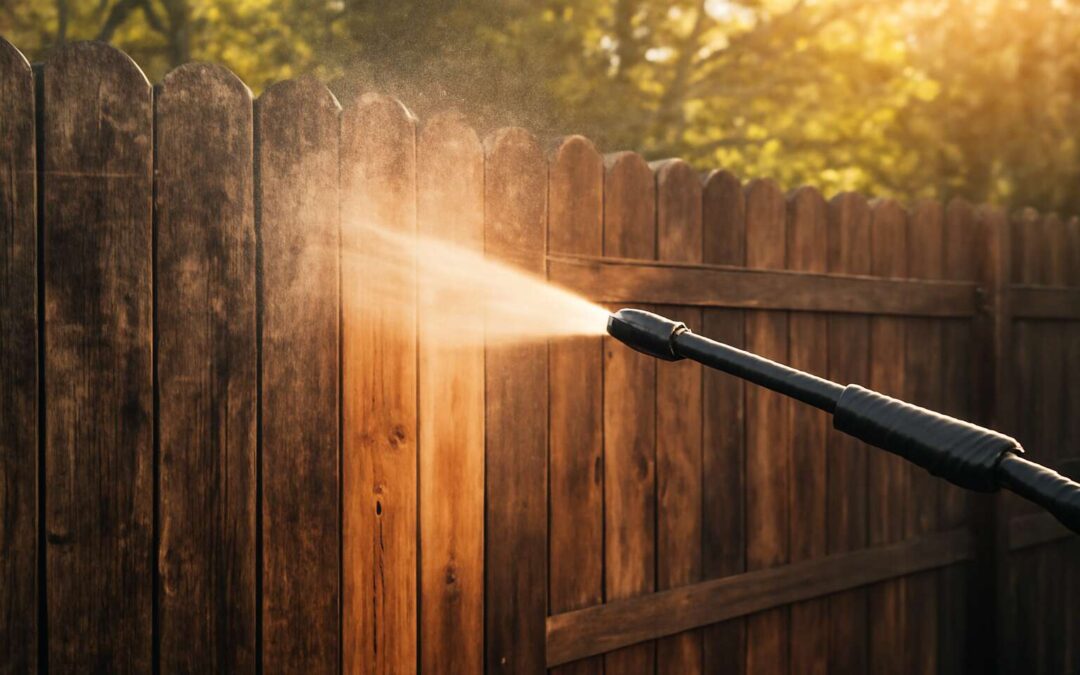
Patios decks and fences: scheduling for longevity
At dawn in a wind-silvered South African morning, surfaces seem to listen. When pressure washing patios, decks and fences, timing is the quiet anchor that keeps grain and colour from slipping into drama. A seasoned foreman once whispered, “Timing is the solvent that never evaporates.”
Before the spray begins, read the sky and soils. A few safety-oriented considerations guide longevity without crowds of drama.
- Dew point realities that flirt with damp mornings.
- Wind and debris dynamics that could sting delicate seams.
- Sun exposure patterns that turn mild temps into micro-bakers.
Patience yields lasting charm. In South Africa’s fickle climate, shade and cooldowns set the rhythm; allow surfaces to breathe and dry. It’s wise to consider the rhythm of the day—let the moment be measured, so the finish remains calm while the weather does the haunting.
Safety practices and local guidelines during pressure washing
In South Africa, timing is the ember that keeps gloss from crumbling into drama. The morning dew and late-afternoon glare conspire; a moment’s hesitation can turn a good wash into a blotched memory, especially when pressure washing. A seasoned supervisor once said, ‘Safety lives in the margins between control and chaos’—and local guidelines reinforce that balance.
- Respect local guidelines on water use and noise by-laws
- Use basic PPE and keep bystanders at a safe distance
- Check forecasts for wind and humidity before you start
These moments matter, because when pressure washing, the surface breathes with the day—and longevity keeps the finish calm, even as weather does its haunting.
DIY versus Professional Services: When to Hire a Pro
Assessing your capabilities and risk factors
South Africa’s homes sparkle with pride, and the decision to tackle exterior washing is more about risk literacy than bravado. “Power washing is a tool, not a cure,” a seasoned operator once told me, and that wisdom lands with weight. When pressure washing, reading the room—materials, angles, and the flight of rogue droplets—matters as much as the spray itself. DIY or pro? The answer hinges on what you can responsibly protect and preserve.
- Material sensitivity: wood, render, brick, and coatings.
- Height and access: ladders, rails, and fall risk.
- Electrical exposure and water ingress hazards.
- Insurance, liability, and contractor qualifications.
Factoring these elements helps decide whether a pro is worth the investment, especially for historic finishes or high walls that defy gravity. Ultimately, it’s about protecting value and peace of mind.
Cost considerations and potential ROI of hiring professionals
Across South Africa, a clean, well-kept exterior signals pride and can uplift perceived value. Knowing when pressure washing makes sense is half the battle; the other half is recognizing risk and responsibility. A seasoned operator once said, “Power washing is a tool, not a cure,” and that wisdom lands with weight. DIY or pro? The decision hinges on what you can responsibly protect and preserve.
- Upfront equipment costs (pump, nozzles, cleaners)
- Insurance, liability, and contractor qualifications
- Potential for damage and rework—versus warranty coverage
- Time, scheduling, and disruption to daily life
ROI from hiring professionals often shows up as preserved substrates, longer coating life, and faster turnaround—smarter spending rather than cheaper outcomes. In the end, the pursuit is value and peace of mind, not bravado.
What professionals handle differently: equipment and safety
Across South Africa’s sun-warmed façades, a clean exterior is a banner of pride and value. A seasoned operator once said, “Power washing is a tool, not a cure,” and that wisdom lands with weight when weighing DIY against a pro. Knowing when pressure washing makes sense is half the battle; the other half is guarding substrates and coatings—and the neighbours’ peace of mind.
What professionals handle differently:
- Equipment and control: industry-grade machines, nozzles, and calibrated pressures tailored to surfaces.
- Safety and qualifications: PPE, fall protection, and adherence to local guidelines.
- Diagnostics and warranties: trained eyes that prevent damage and preserve warranty coverage.
Choosing between DIY and pro is less about bravado and more about safeguarding value as the sun seals a SA coastline in gold.
How to choose a contractor: questions and timing considerations
Across South Africa’s sun-warmed façades, the line between a pristine finish and a costly misstep is delicate. When pressure washing, bravado can be expensive. A pro brings insured peace of mind and substrate-savvy technique—two things DIY often misjudge. Remember: ‘Power washing is a tool, not a cure.’ That wisdom lands with weight when weighing DIY against a pro.
If you’re leaning DIY at first, ask these questions when pressure washing contractor candidates:
- Are you licensed and insured?
- What substrate experience do you have?
- Can you provide references or case studies?
- Do you warranty workmanship and coatings?
- What is the proposed timeline and weather plan?
In the end, timing is a dance between risk and reward; the right choice protects value long after the last rinse.
